
Beyond Smuggling and Criminalisation
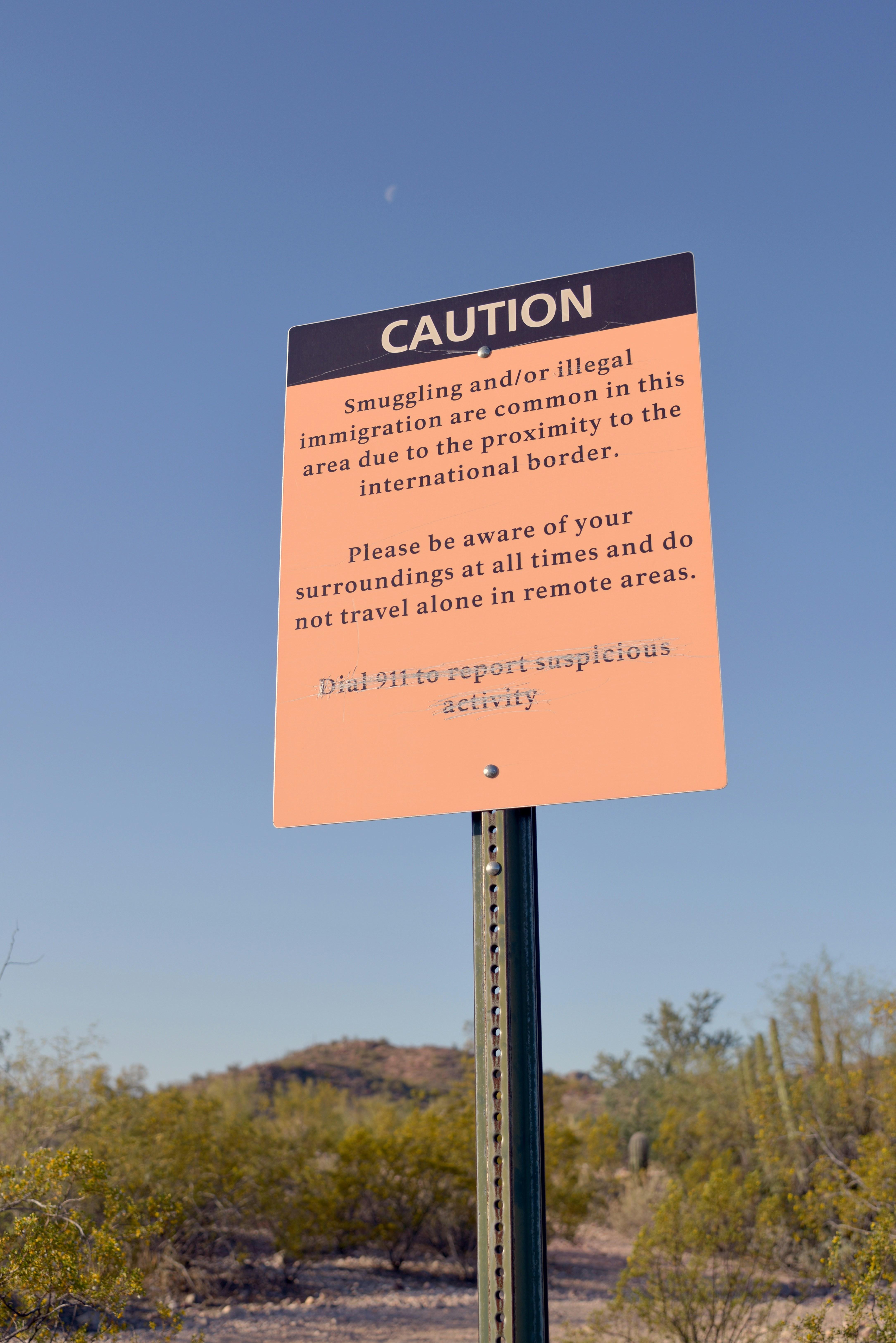
The fight against migrant smuggling has become a central pillar of global strategies to counter irregular migration. While a substantial body of empirical research has documented the diverse dynamics of smuggling across migratory corridors worldwide, this evidence has rarely informed policy debates. Instead, policymaking has largely been shaped by dominant criminological narratives that focus on the figure of the smuggler, criminal networks, and their presumed sophistication, often obscuring the broader social, political, and legal conditions that structure human mobility.
Against this backdrop, this thematic research group brings together academic researchers, practitioners, activists, and people directly affected by counter-smuggling measures to critically examine the criminalisation of the facilitation of free movement and the impacts of contemporary counter-smuggling practices. The group focuses on how, amid the global reduction of legal migration pathways, a wide range of punitive measures increasingly target those who enable, support, or engage in human mobility.
The group aims to empirically document mobility practices, counter-smuggling policies, and the diverse forms of resistance that emerge in response to criminalisation. It seeks to localise and compare the multiple impacts of counter-smuggling practices across different regions, decentring Europe and learning from a wide range of geographical and epistemological perspectives. A core objective is to document and analyse “what works” in countering and deterring the criminalisation of free movement facilitation—ranging from protection and harm-reduction practices, to political solidarity and resistance initiatives, to strategic litigation and evolving jurisprudence. Through collaborative, empirically grounded research, the group aims to develop tools and knowledge relevant to policymakers, NGOs, civil society actors, and people directly targeted by counter-smuggling measures, with the broader goal of mitigating the harms of border control and criminalisation and shifting public and policy debates on migrant smuggling.
If you would like more information or to join this group, please email david.suber@crim.ox.ac.uk