
Guantanamo Bay: Then and Now
Speaker(s):
Associated with:
Notes & Changes
This event is being held in collaboration with Reprieve and Doughty Street Chambers

 Add to calendar
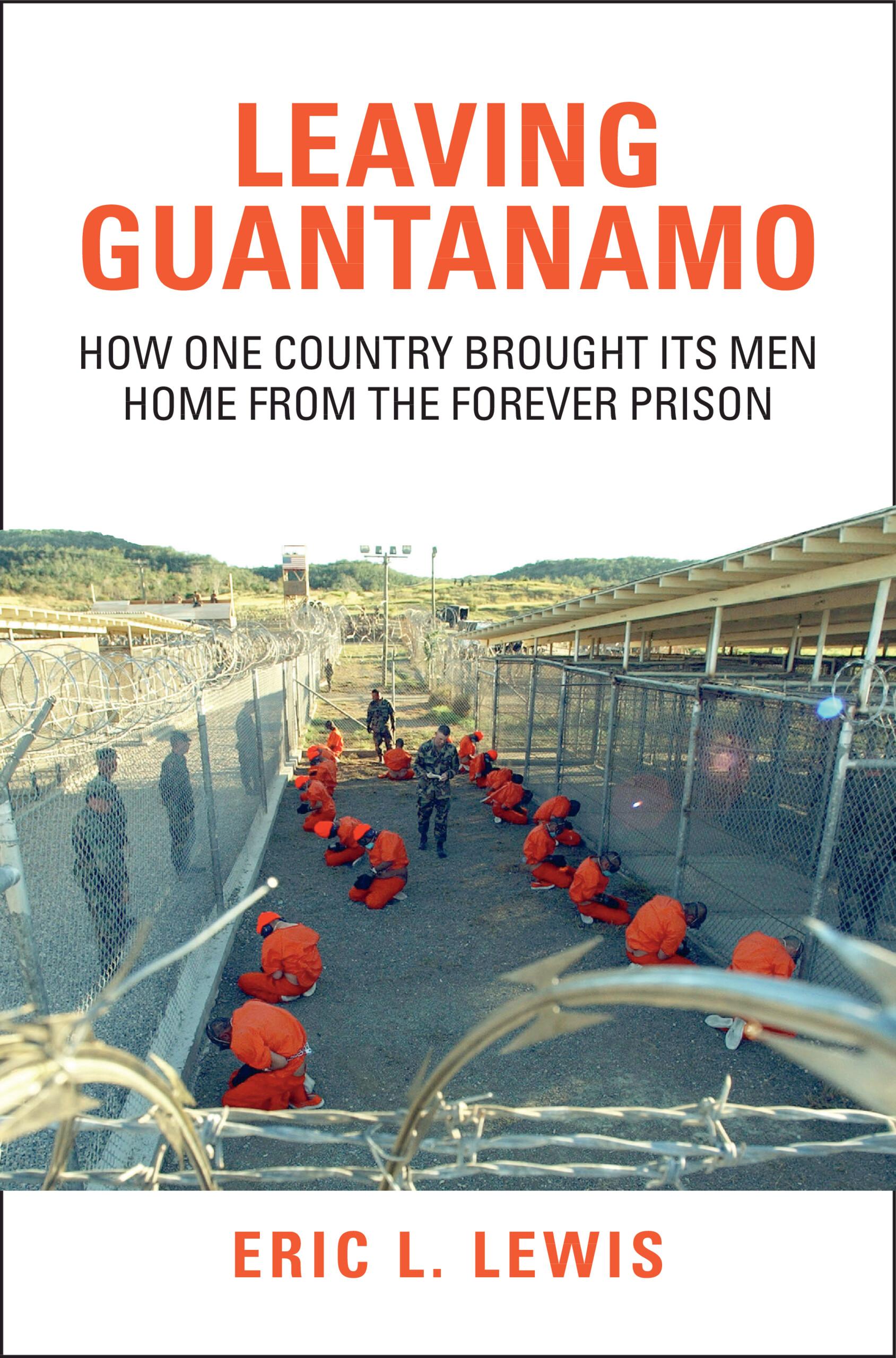
The detention without trial of nearly 800 men at Guantanamo Bay stands as a watershed event for human rights law. Fifteen men remain at the facility more than twenty years later. There have been only two convictions. The overwhelming majority of men were never charged with anything. The United States tried to create a legal black hole where these men had no rights or access to courts. The Geneva Conventions were suspended. Torture occurred on a massive scale. To mark the publication of Eric Lewis’s book Leaving Guantanamo: How One Country Brought Its Men Home From the Forever Prison by Cambridge University Press, the Bonavero Institute has brought together leading human rights advocates to discuss the legacy of Guantanamo and its resonance today.
The event will be followed by a drinks reception, where a selection of Abu Zubaydah’s art work will be displayed. Warning: the images and descriptions of torture are extremely graphic.
Speakers
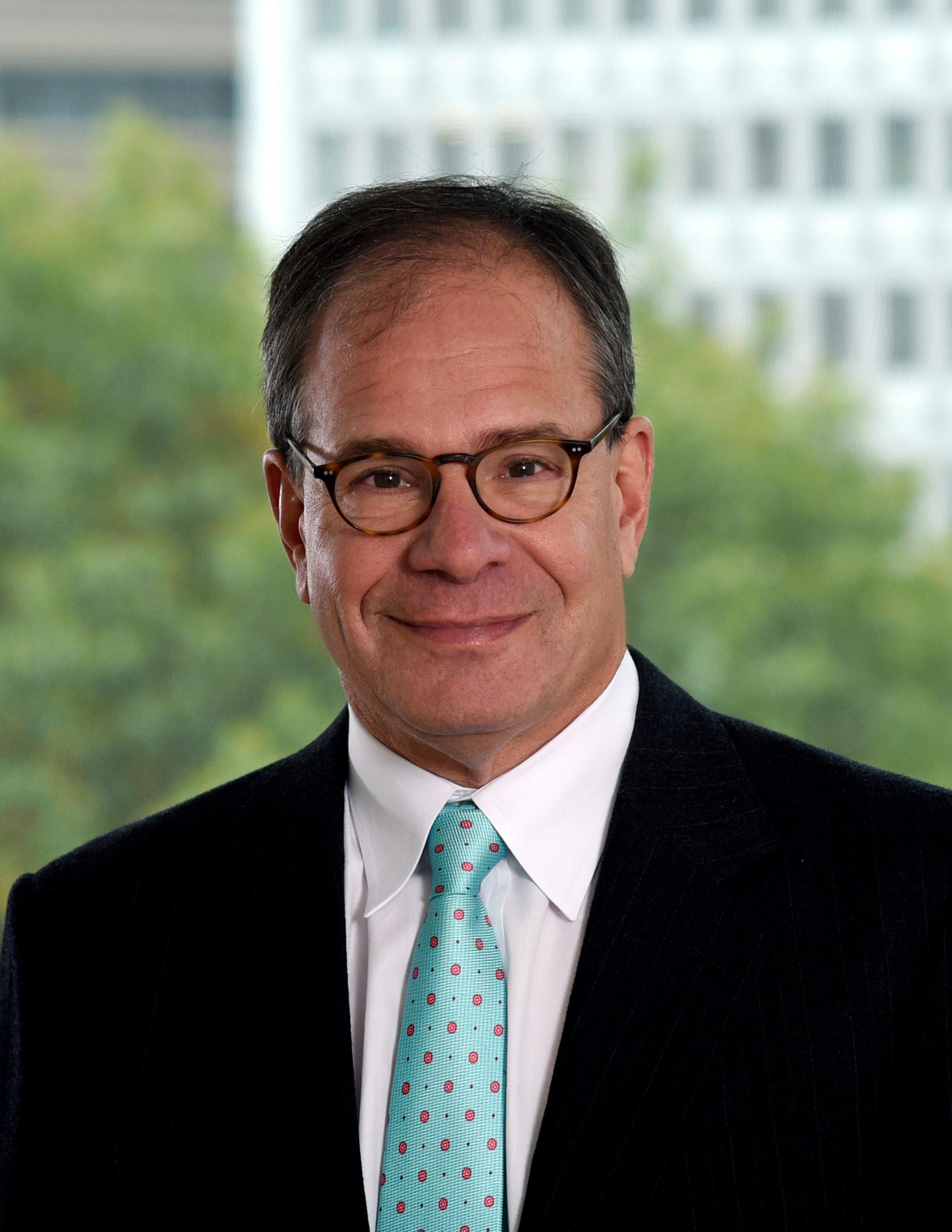
Eric L. Lewis
Eric L. Lewis is the author of Leaving Guantanamo: How One Country Brought Its Men Home From the Forever Prison, published by Cambridge University Press.
Mr. Lewis has been a leading figure in international human rights law for the last quarter century. He has represented Guantánamo detainees since 2002 in multiple contexts. He was lead counsel in litigation involving the treatment of hunger striking prisoners at Guantanamo and on behalf of a released Guantanamo detainee imprisoned in Morocco in breach of intergovernmental assurances. He also served as lead counsel in a civil case on behalf of British detainees who brought suit for torture against the Secretary of Defense and Generals in the Chain of Command. He has represented detainees from Kuwait, Xinjiang, Saudi Arabia, Pakistan and Afghanistan. He conducted the final two Periodic Review Board hearings that resulted in the release of Fawzi Al Odah and Fayiz Al Kandari, who were thought to be “forever prisoners,” men who would never be charged or tried but never released.
He serves as Chairman of Reprieve US, a charity that actively litigates death penalty, indefinite arbitrary detention, torture and other human rights cases around the world. Working through Reprieve, he has been active in obtaining the release and repatriation of more than 70 Guantanamo detainees, negotiating with the US Government and foreign governments on repatriation of cleared detainees, as well as overseeing the Life After Guantanamo program that provides assistance to released detainees.
Mr. Lewis worked to obtain the release of a dual U.S.-Egyptian national sentenced to life in prison for blogging against the coup and brought suit against Egyptian leaders under the Torture Victims Protection Act. He has acted on behalf of capital defendants both at the trial and appellate level, including the individual accused in the death of the U.S. Ambassador to Libya and others in Benghazi, who was acquitted on all counts of homicide. He has been a leader in efforts to obtain the release of former Pakistani Prime Minister Imran Khan. He has served as an expert witness in numerous foreign courts in extradition matters, including the extradition of Julian Assange.
Mr. Lewis also represents athletes and others who have been victims of sexual abuse by coaches and published numerous pieces regarding sexual abuse of minors in The New York Times, Esquire, ESPN.com and The Independent. He is a director of Independent Digital Media Limited.
He has lectured at Yale Law School and Hertford College, Oxford University regarding indefinite detention at Guantanamo. He has written extensively about indefinite detention at Guantanamo, capital punishment, transnational repression and American politics. He taught criminal law as an Adjunct Professor at Georgetown University Law Center for more than a decade.
He is the Chair of Lewis Baach Kaufmann Middlemiss, an international disputes law firm based in Washington and New York.
He is a graduate of Princeton University, Cambridge University (where he was a Fulbright Scholar) and Yale Law School (where he was Articles and Book Review Editor of the Yale Law Journal).
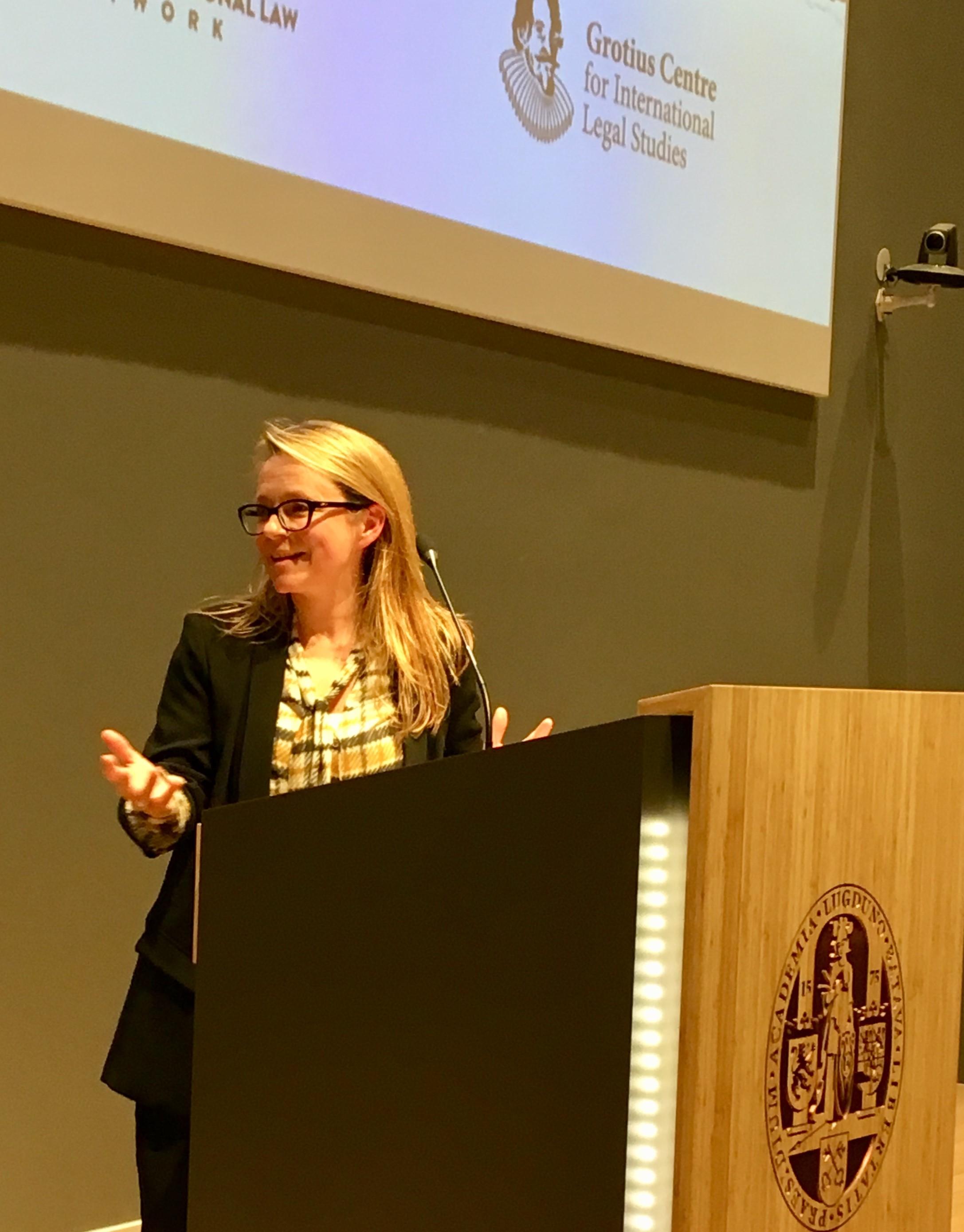
Helen Duffy
Helen Duffy is Professor of International Human Rights and Humanitarian Law at the University of Leiden, and runs ‘Human Rights in Practice (HRiP)’ an international law practice specializing in strategic litigation and international legal advice. She has brought ground-breaking cases in the European, African, Interamerican and UN systems and intervened in national courts on many human rights issues. These have include several cases on rendition, torture and Guantanamo. She has represented so-called “forever prisoner” Abu Zubaydah since 2008.
Helen has many publications including “The ‘War on Terror’ and the Framework of International law (CUP 2nded. 2015), ‘Strategic Human Rights Litigation: Understanding and Maximising Impact’ (Hart 2018) and Law Applicable to Armed Conflict (with Bohrer/Dill CUP 2020).
Before setting up her practice, Helen held senior posts in NGOs (Legal Director of INTERIGHTS and of the Centre for Human Rights Legal Action (CALDH) in Guatemala and Counsel/Human Rights Watch), was Legal Adviser to the Prosecutor’s Office of the ICTY, and legal officer in the UK Government and Lord Justice Scott’s Arms for Iraq Inquiry.
Prof. Duffy has a PHD (Leiden), LLM (University College London) and LLB Hons (Glasgow). She is honorary/visiting professor or fellow at Glasgow, Oxford, Melbourne and American universities. She is on the board of several NGOs.
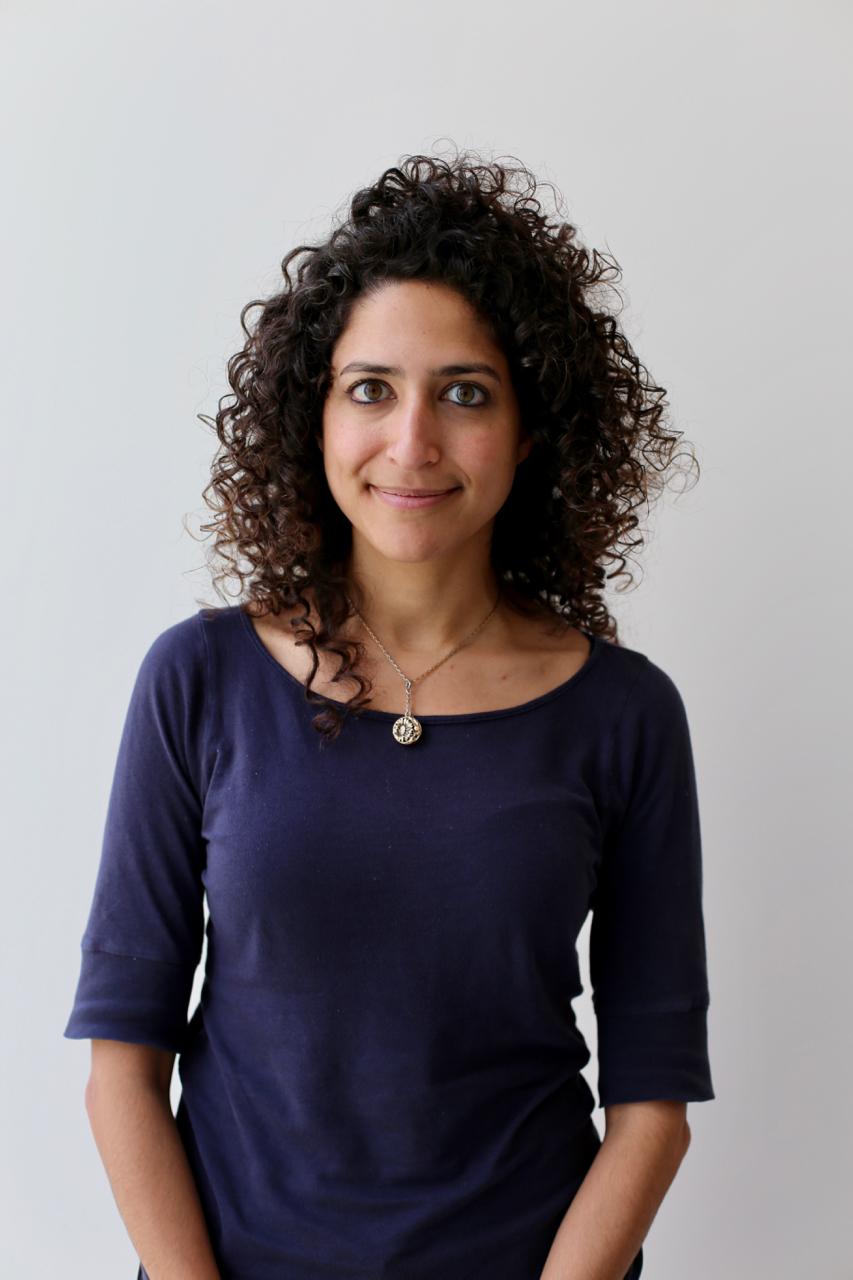
Maya Foa
Maya leads a team of lawyers fighting against grave human rights abuses. Her work, alongside the work of the organisation she has helped shape over the past decade, aims to protect vulnerable individuals from the excesses of oppressive Governments – whether they are on death rows or hillsides patrolled by weaponised drones.
Maya was selected as a World Economic Forum Young Global Leader in 2019. She was also named one of Sir Richard Branson’s 65 Most Inspirational People in 2015. She was awarded a Soros Justice Fellowship for her pioneering work on the death penalty in 2015, the inaugural Robin Steinberg Innovation Award from the Bronx Defenders in 2018, and the SMK Women Demanding Justice award in 2015. CBS News has described Maya as “the woman behind a shortage of execution drugs” in the US thanks to her innovative work in tracing pharmaceutical supply chains and consulting with more than 50 manufacturers to help them prevent their life-saving drugs being used in executions.
Under Maya’s directorship, Reprieve is saving the lives of people on death rows and securing justice for the victims of abusive counter-terrorism practices (including torture, rendition, extrajudicial imprisonment and extra judicial killing) across the world. Maya has conducted extensive advocacy before the governments of Europe, the United States and regional and international bodies, has served as an expert advisor to the European Commission. Maya has been featured on the Adam Buxton Podcast, Radiolab’s More Perfect, and is a frequent commentator and voice in the media.
Maya studied French and Italian Literature at Oxford University and did a postgraduate degree in Law.
Chair
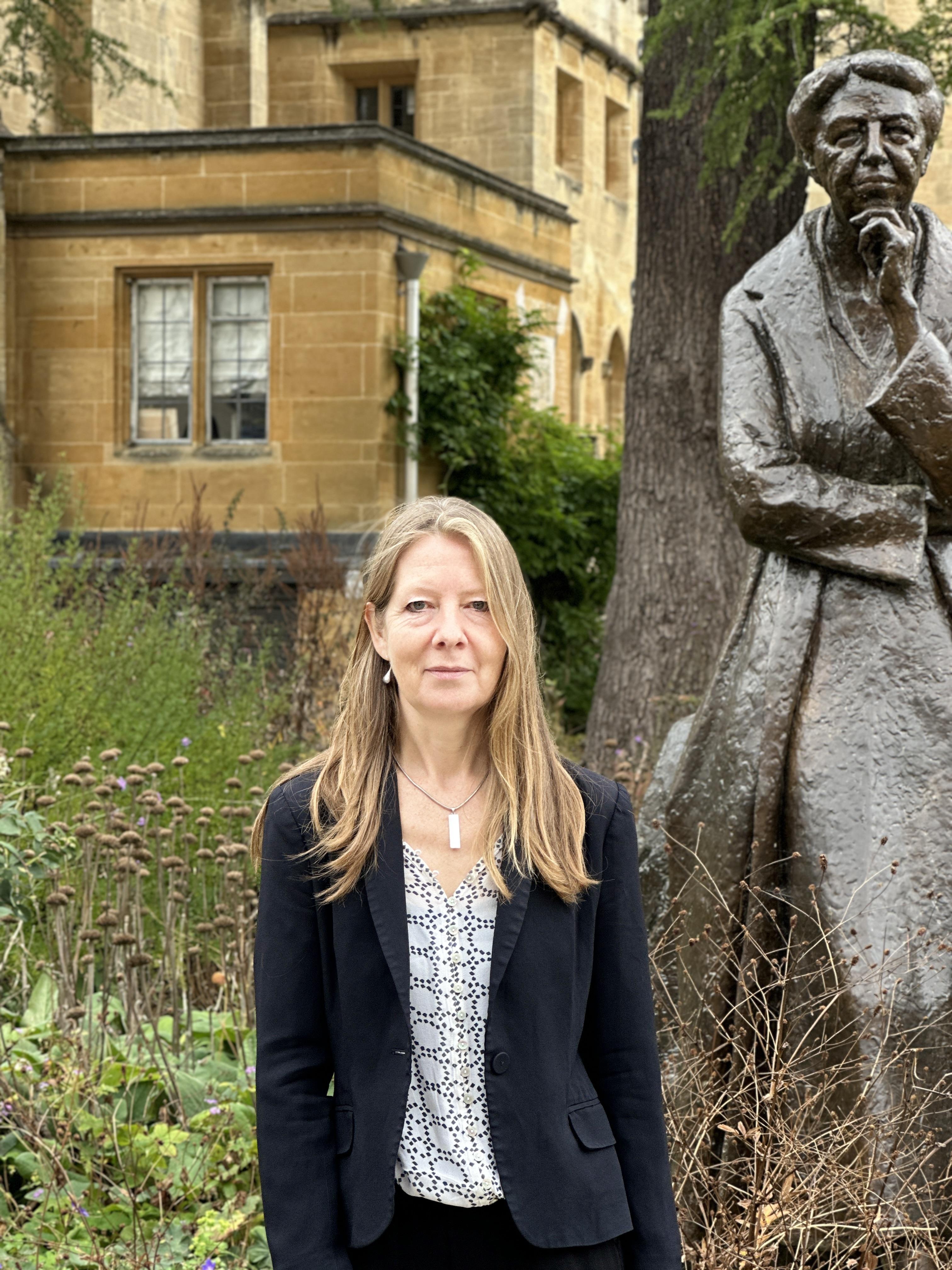
Rachel Murray
Rachel Murray is the Director of the Bonavero Institute of Human Rights and Professor of International Human Rights Law. She joined the Institute in October 2025 and prior to that was the Director of the Human Rights Implementation Centre at the University of Bristol which she co-founded with Professor Sir Malcolm Evans in 2009.
Rachel’s personal practitioner and academic work has developed in three inter-related areas: the African human rights system, monitoring of places of detention, and implementation of human rights decisions (ESRC funded, (http://www.bristol.ac.uk/law/hrlip/). For the latter, Rachel and her team were awarded the ESRC Outstanding International Impact Prize in 2023.
She has written widely in these areas for academic and scholarly audiences and also as a practitioner. She ran her own independent consultancy where she worked for, among others, the UN, OSCE, Open Society Justice Initiative, African Committee of Experts on the Rights and Welfare of the Child, NANRHI (Network of African National Human Rights Institutions), APCOF (African Policing Civilian Oversight Forum), the UK National Preventive Mechanism, and CEELI Institute.
Rachel advises and engages on a regular basis with national, regional and international organisations, including, in particular, the African Commission and Court on Human and Peoples’ Rights, the African Committee of Experts on the Rights and Welfare of the Child and the Pan-African Parliament. She has worked with governments, national human rights institutions, parliamentarians, the judiciary, civil society organisations and academics. She has acted as amicus including, currently, before the African Court, together with the Centre for Human Rights at the University of Pretoria, in App.006/2012, African Commission on Human and Peoples’ Rights v Republic of Kenya. She has held a number of grants, including a major grant from the UK Economic Social and Research Council on the implementation of human rights decisions which tracked decisions from the regional and UN treaty bodies to examine the extent to which the States have complied with them. She is Global Distinguished Professor of Law at the University of Notre Dame London Law School, a member of the Academic Expert Panel of Doughty Street Chambers and is also a magistrate. She has previously held trusteeship positions at INTERIGHTS, the Human Dignity Trust (HDT) and the Institute for Human Rights and Development in Africa (IHRDA), the latter of which she was also its Vice-Chair. She is a member of technical committees drafting standards and guidelines on rights and implementation of decisions, for instance, for the African Commission on Human and Peoples’ Rights, and currently engaged in developing a Model Law on the Implementation of African Human Rights Bodies with the Pan-African Parliament and Centre for Human Rights in Pretoria.
Theme:


