
Migration and Freedom from Torture at Sea
Speaker(s):
Associated with:
Notes & Changes
This is event is organised by Freedom From Torture and the Bonavero Institute of Human Rights.
Please note this event will be in-person only, taking place at the Sir Joseph Hotung Auditorium at the Bonavero Institute of Human Rights. If we have speaker consent, we will be recording the event.
In order to help with catering arrangements, please register your attendance by completing this form.
 Add to calendar
Our first speaker raises a rarely discussed aspect of migration – what happens to migrants and asylum seekers at sea? The event will then move on to set out the kind of support that is offered by Freedom from Torture to survivors of torture who arrive in the UK escaping conflict and oppression around the world.
Both speakers will then participate in a Q&A chaired by Professor Rachel Murray, Director of the Bonavero Institute.
Speakers
Professor Sir Malcolm D Evans, KCMG, OBE, FLSW
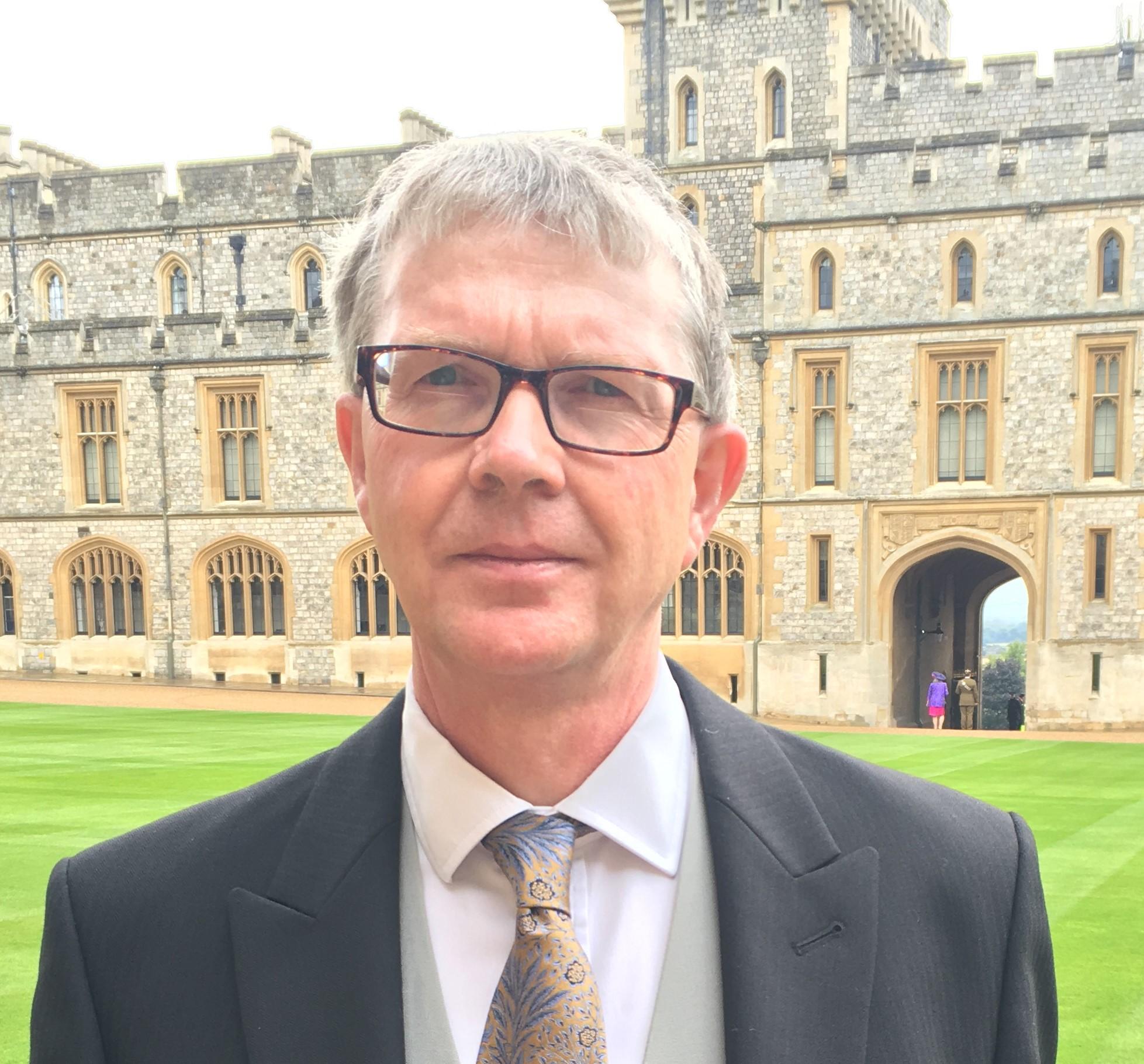
Sir Malcolm is Principal of Regent’s Park College, Oxford. Until 2022 he was Professor of Public International Law at the University of Bristol, where he also served as Head of the School of Law and Dean of the Faculty of Social Sciences and Law. He is a Titular Member of the Institut du Droit Internationale. His particular areas of academic expertise include torture and torture prevention, the protection of religious liberty under international law and the international law of the sea, in particular the delimitation of maritime boundaries. From 2009 - 2020 he was a member, and from 2011- 2020 Chair, of the UN Subcommittee for Prevention of Torture (the SPT). From 2015-2022 he was a Member of the Statutory Panel of Inquiry into Child Sexual Abuse in England and Wales (IICSA). From 2002 – 2013 he was a member of the OSCE ODIHR Advisory Council on the Freedom of Religion or Belief. He was General Editor of the International and Comparative Law Quarterly from 2013-2023 and currently is Co-Editor in Chief of the Oxford Journal of Law and Religion and an editor of the journals Torture, Religion and Human Rights and Ocean Development and International Law.
He author and editor of numerous books, including the leading textbook International Law (OUP 6th edition) and numerous works relating to torture:
Preventing Torture: A Study of the European Convention for the Prevention of Torture (Oxford: Oxford University Press, 1998) 475 pp (with Professor R Morgan)
The Optional Protocol to the UN Convention against Torture (Oxford: Oxford University Press, 2011), 264 pp (with Professor R Murray, Dr E Steinerte and A Hallo de Wolf)
Preventing Torture in Europe (Strasbourg: Council of Europe Press, 2018) 330 pp (with Dr C Bicknell and Professor R Morgan)
Research Handbook on Torture: Legal and Medical Perspectives on Prohibition and Prevention (Cheltenham: Edward Elgar, 2020), 650 pp (Co-edited with Dr J Movdig);
Tackling Torture: Prevention in Practice (Bristol, Policy Press, 2023)
- Speaker from Freedom from Torture (name to be confirmed) the only charity in the UK focussed exclusively on supporting torture survivors
Chair
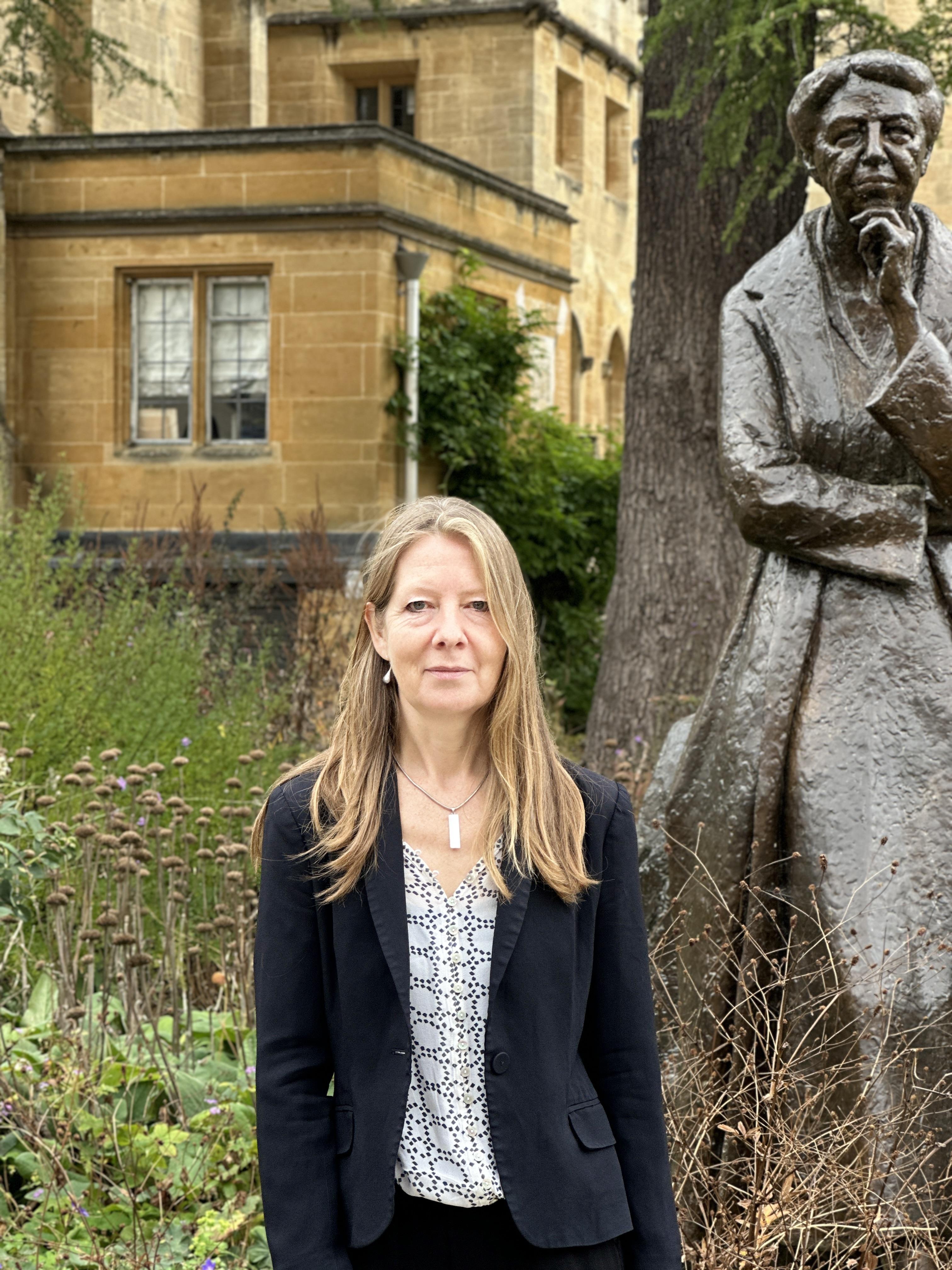
Rachel Murray is the Director of the Bonavero Institute of Human Rights and Professor of International Human Rights Law. She joined the Institute in October 2025 and prior to that was the Director of the Human Rights Implementation Centre at the University of Bristol which she co-founded with Professor Sir Malcolm Evans in 2009.
Rachel’s personal practitioner and academic work has developed in three inter-related areas: the African human rights system, monitoring of places of detention, and implementation of human rights decisions (ESRC funded, (http://www.bristol.ac.uk/law/hrlip/). For the latter, Rachel and her team were awarded the ESRC Outstanding International Impact Prize in 2023.
She has written widely in these areas for academic and scholarly audiences and also as a practitioner. She ran her own independent consultancy where she worked for, among others, the UN, OSCE, Open Society Justice Initiative, African Committee of Experts on the Rights and Welfare of the Child, NANRHI (Network of African National Human Rights Institutions), APCOF (African Policing Civilian Oversight Forum), the UK National Preventive Mechanism, and CEELI Institute.
Rachel advises and engages on a regular basis with national, regional and international organisations, including, in particular, the African Commission and Court on Human and Peoples’ Rights, the African Committee of Experts on the Rights and Welfare of the Child and the Pan-African Parliament. She has worked with governments, national human rights institutions, parliamentarians, the judiciary, civil society organisations and academics. She has acted as amicus including, currently, before the African Court, together with the Centre for Human Rights at the University of Pretoria, in App.006/2012, African Commission on Human and Peoples’ Rights v Republic of Kenya. She has held a number of grants, including a major grant from the UK Economic Social and Research Council on the implementation of human rights decisions which tracked decisions from the regional and UN treaty bodies to examine the extent to which the States have complied with them. She is Global Distinguished Professor of Law at the University of Notre Dame London Law School, a member of the Academic Expert Panel of Doughty Street Chambers and is also a magistrate. She has previously held trusteeship positions at INTERIGHTS, the Human Dignity Trust (HDT) and the Institute for Human Rights and Development in Africa (IHRDA), the latter of which she was also its Vice-Chair. She is a member of technical committees drafting standards and guidelines on rights and implementation of decisions, for instance, for the African Commission on Human and Peoples’ Rights, and currently engaged in developing a Model Law on the Implementation of African Human Rights Bodies with the Pan-African Parliament and Centre for Human Rights in Pretoria.
Freedom From Torture (FFT) is the only UK charity solely dedicated to the care of survivors of torture and provides a range of services including therapy for clients with complex mental health problems, medical assessments, pain management, legal and welfare advice and medico-legal reports.
Torture causes long-lasting mental and physical pain. It can take many years for someone to recover from it. FFT helps people come to terms with their experiences and enjoy lives that are as full and happy as possible.
For more info email info@freedomfromtorture.org or visit the Freedom from Torture website.


