
Webinar Series: Rights in Nature
Associated with:
Notes & Changes
This webinar series will be held online via Zoom. Please register for the individual sessions by following the Zoom links below.
 Add to calendar
Overview
The Bonavero Institute of Human Rights is hosting this new webinar series on Rights in Nature which will run in six weekly hour-long sessions from Tuesday 3 November 2026 5-6 PM (GMT). It is multi-disciplinary in its focus and aimed at a broad audience of policy makers, NGO and international organisation affiliates, academics, and others with a stated interest. It seeks to explore and understand the complex relationship between humans and the natural world; how and why this relationship has evolved; the impact of human industrial processes on nature in terms of climate change, biodiversity, pollution and degradation of the environment; how nature is to be viewed on its own terms; the international legal order and how the post WW2 development of human rights and environmental protection had little to say about nature rights; the importance of a new legal order and different regulatory system internationally, regionally and domestically.
Should mountains, forests, rivers and funghi have rights? Where does the idea rights in nature come from? Are there other ways of protecting the natural world? How do we identify what the rights should be? How do we balance these against competing rights including those of humans? What would a rights in nature framework look like and how would it work? Does the existing human rights framework provide a useful base? Is technology or nature based solutions the best way to address the current planetary crises. All those are questions which are being considered the world over by ecologists, artists, writers, geographers, lawyers, politicians, and thinkers of all types.
This is a multi-disciplinary webinar series exploring the concept of rights in nature from different perspectives. It takes as a starting point the tripartite issues of climate change, biodiversity loss and environmental pollution as existential threats to the natural world and the need to address these holistically. The dangers of siloed thinking in this area are evident. They have been clearly set out in a recent report by the Zoological Society of London supported by a host of organisations including Woodland Trust, British Ecological Society and Royal Botanic Gardens Kew.
The webinar series will be online and run weekly for six sessions from Tuesday 3 November 5-6 PM (GMT). The sessions will be chaired by either Samantha Knights KC of Matrix, London or Rachel Murray or Başak Çalı. Each session will have two speakers who will speak for c.15 minutes leading to discussion and Q&A.
Please register for the webinars using the Zoom links below.
(1) Tuesday 3 November: What are rights in nature and where do they come from?
(2) Tuesday 10 November: How can we better understand the non-human world?
(3) Tuesday 17 November: Limitations of the existing frameworks
(4) Tuesday 24 November: Constitutional Developments of Rights of Nature
(5) Tuesday 1 December: Balancing the Rights of Nature: Mining
(6) Tuesday 8 December: Technology and Nature Based Solutions
(1) Tuesday 3 November: What are rights in nature and where do they come from?
This introductory session will explore the concept of rights in nature, where they come from, and how they have come to be articulated as such, and the differing religious views relating to nature. It will examine what is covered by nature, how the anthropocentric concept of rights can be applied to non-humans, and how different groups regard the relationship between humans and non-humans.
Register for this webinar via Zoom.
Speakers:
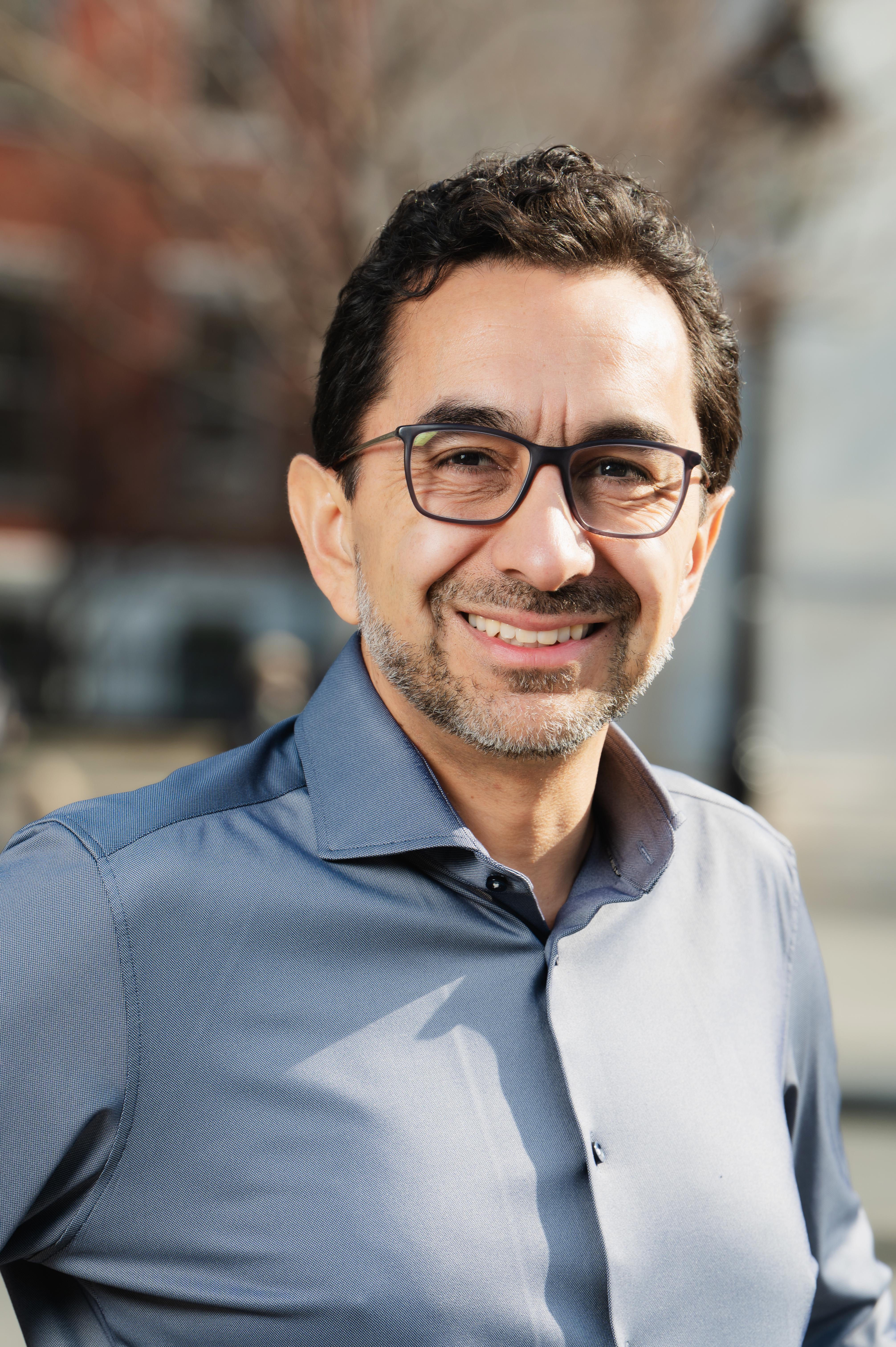
César Rodríguez-Garavito is an Earth rights scholar, field lawyer, and founding director of the MOTH (More-Than-Human Life) Program at NYU School of Law. He is a Professor of Law and Director of the Earth Rights Research & Action (TERRA) Clinic at NYU. César’s work has advanced new ideas and legal actions worldwide on issues such as climate justice, Indigenous rights, and what he proposes to call “more-than-human rights” (rights of nature). His contributions to Earth rights have been recognized with a More-Than-Human Fellowship by the London Design Museum and a spot in the UN Museum’s Top 10 Culture for Impact 2024 List. He is the editor and author of a chapter in More Than Human Rights: An Ecology of Law, Thought and Narrative for Earthly Flourishing (ed. César Rodríguez-Garavito) (NYU, 2024).

Patricia Wiater holds the Chair of Public Law, Public International Law and Human Rights at Friedrich-Alexander-Universität Erlangen-Nürnberg (FAU), where she is a member of the Centre for Human Rights Erlangen-Nürnberg (CHREN) and directs its Human Rights Clinic. She is a Principal Investigator in the Cluster of Excellence “Transforming Human Rights” (EXC 3039) at FAU (cluster). One strand of her research concerns the question of extending human rights protection to non-human entities – corporations, nature, animals and artificial intelligence – with a particular focus on Rights of Nature. She has explored how far an ecologically informed reading of human rights law, particularly in the case law of the European Court of Human Rights, can protect nature (Human Rights Quarterly 47 (2025) 477–510), and how human rights law can be leveraged to advance Rights of Nature (in: Adenitire/Fasel (eds), Fundamental Rights for Non-Humans, Hart 2026, 17–46). In 2024, she brought together judges of the African, Inter-American and European human rights courts in Nuremberg to discuss this question (event). The debate continued in the EJIL:Talk! symposium “Expanding Human Rights Protection to Non-Human Subjects? African, Inter-American and European Perspectives” (introduction; own contribution: “Robots and Human Rights: A Matter of Coherence?”).
(2) Tuesday 10 November: How can we better understand the non-human world?
An understanding of the natural world and the pressures it faces has undergone a seismic change over the course of human evolution. Our demographics have radically changed over 10,000 years and continue to evolve. Our entire systems of education, health, housing, energy, industrialisation, food production and more are premised on an anthropocentric view. How has our knowledge of the non-human world shifted and what does it tell us about the natural world, the ecosystems, and the inter-connectivity of all species? How do we hear the non-human world?
Register for this webinar via Zoom.
Speakers:
Conall Mac Niocaill
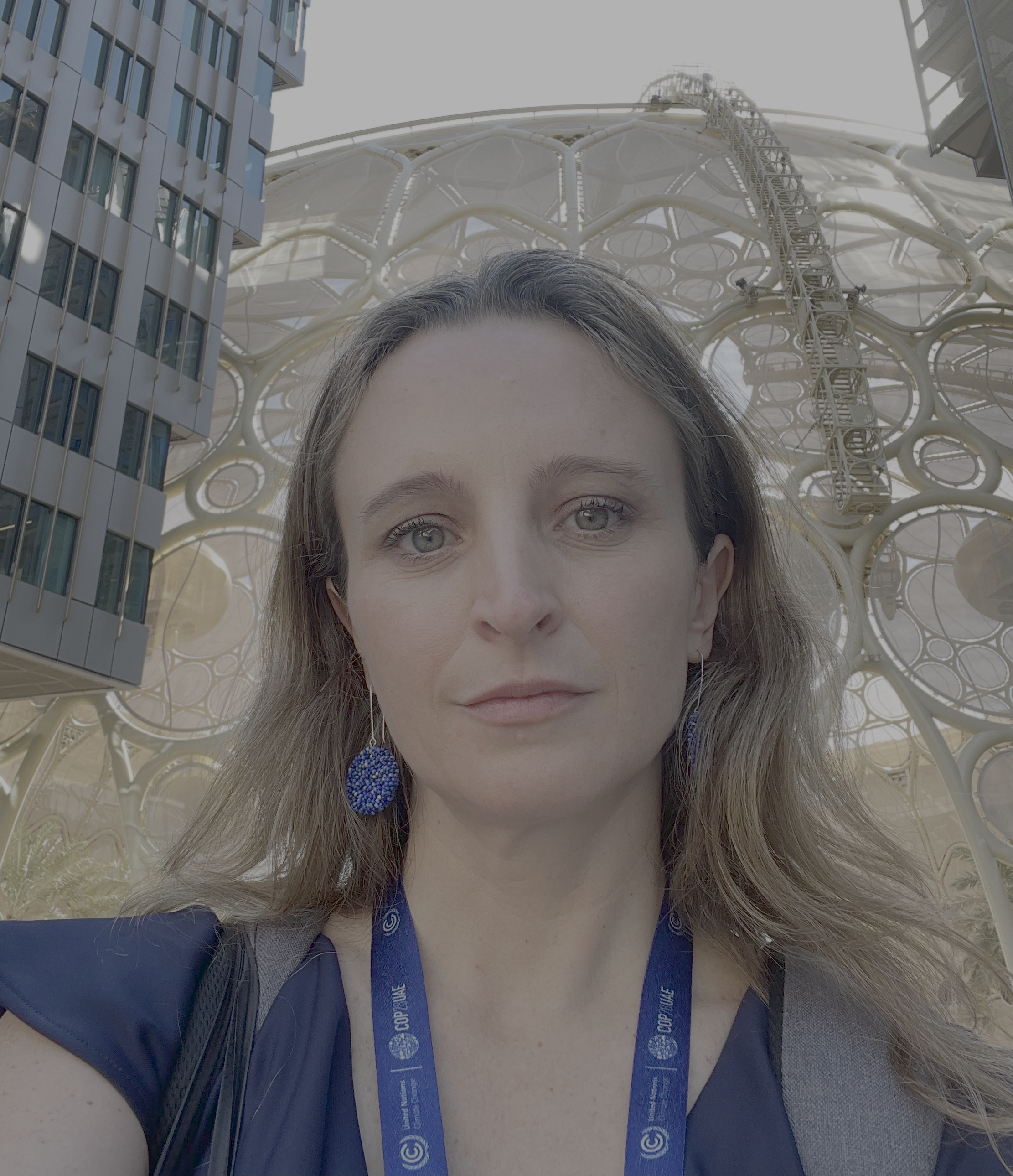
Natalia Greene is the Global Director of the Global Alliance for the Rights of Nature (GARN) and a member of GARN’s Executive Committee. She is also Secretary of the International Rights of Nature Tribunal. She is an Ecuadorian activist and political scientist. She holds a BA in Humanities from Hampshire College in Massachusetts, an MA in Social Sciences from FLACSO-Ecuador, and a Master’s degree in Climate Change and Sustainable Development from Universidad Andina Simón Bolívar (UASB-Ecuador).
She promoted the recognition of the Rights of Nature in Ecuador’s Constitution and has worked on the environmental and Indigenous dimensions of the Yasuní-ITT Initiative, which sought to keep oil underground in the Amazon.
Natalia Greene previously served as President and Vice President of the Ecuadorian Coordinator of Organizations for the Defense of Nature and the Environment (CEDENMA) and currently serves on its Board of Directors. She has been an expert with the United Nations Harmony with Nature initiative since 2016.
(3) Tuesday 17 November: Limitations of the existing frameworks
This session will look at the background to the international framework for human rights and environmental law, how these two pillars were developed largely in isolation of each other, and how humans have created an international framework which prioritises one species over all others. It will look at the scope of the human rights framework in terms of protecting environmental rights, and the limitations of an anthropocentric focused framework relating to environmental law.
Register for this webinar via Zoom.
Speakers:
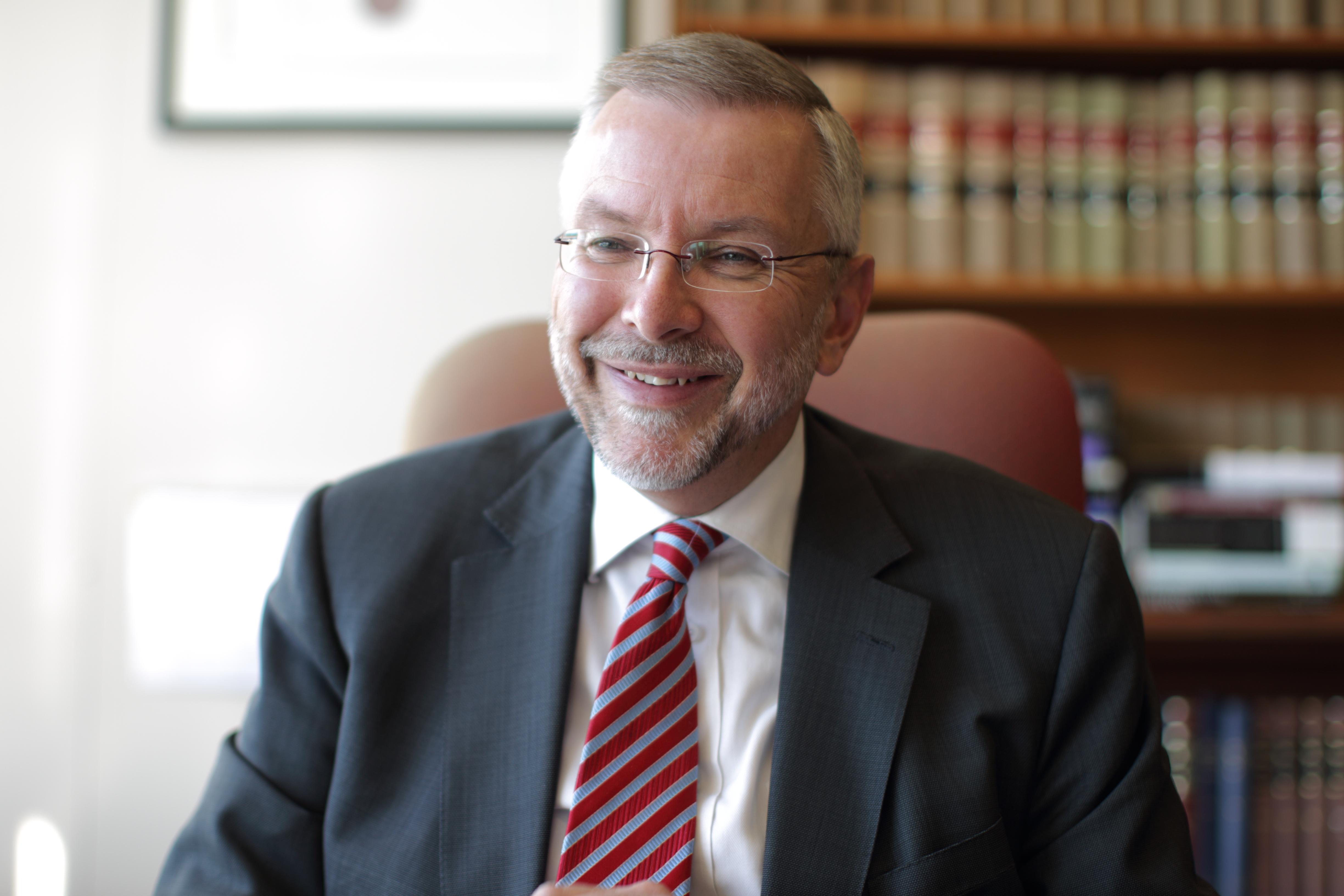
The Hon. Justice Brian J Preston AO FRSN SC is the Chief Judge of the Land and Environment Court of New South Wales. Prior to being appointed in November 2005, he was a senior counsel practising primarily in New South Wales in environmental, planning, administrative and property law. He has lectured in post-graduate environmental law for over 30 years. He is the author of Australia’s first book on environmental litigation and 176 articles, book chapters and reviews on environmental law, administrative and criminal law. He holds numerous editorial positions in environmental law publications and has been involved in a number of international environmental consultancies and capacity-building programs, including for judiciaries throughout Asia, Africa and the European Union.
Justice Preston is an Official Member of the Judicial Commission of NSW, Fellow of the Australian Academy of Law, Fellow of the Royal Society of NSW and Honorary Fellow of the Environment Institute of Australia and New Zealand. He was awarded a Doctor of Letters (honoris causa) by Macquarie University in 2018 and a Doctor of Laws (honoris causa) by Western Sydney University in 2022. He is a member of various international environmental law committees and advisory boards, including serving on the Governing Council and as Vice President for Oceania of the Global Judicial Institute on the Environment and as Chair of the Environmental Law Committee of the Law Association for Asia and the Pacific (LAWASIA).
Justice Preston was recognised with the Award for Excellence - Outstanding Contribution to Environmental Law by the Law Council of Australia’s Legal Practice Section in 2021. In 2023, he was awarded the Medal of Honour by the World Jurist Association at the United Nations in New York and was granted Life Membership by LAWASIA. He was appointed as an Officer of the Order of Australia (AO) in the Australia Day Honours List 2025.
Justice Preston is currently a Senior Research Visitor to the Bonavero Institute of Human Rights at the University of Oxford for the Michaelmas Term in 2026, a Visiting Professor at Durham University (UK), an Adjunct Professor at three Australian universities, the University of Sydney, Western Sydney University and Southern Cross University, and a former Visiting Fellow at Corpus Christi College and Magdalen College at Oxford University (UK).
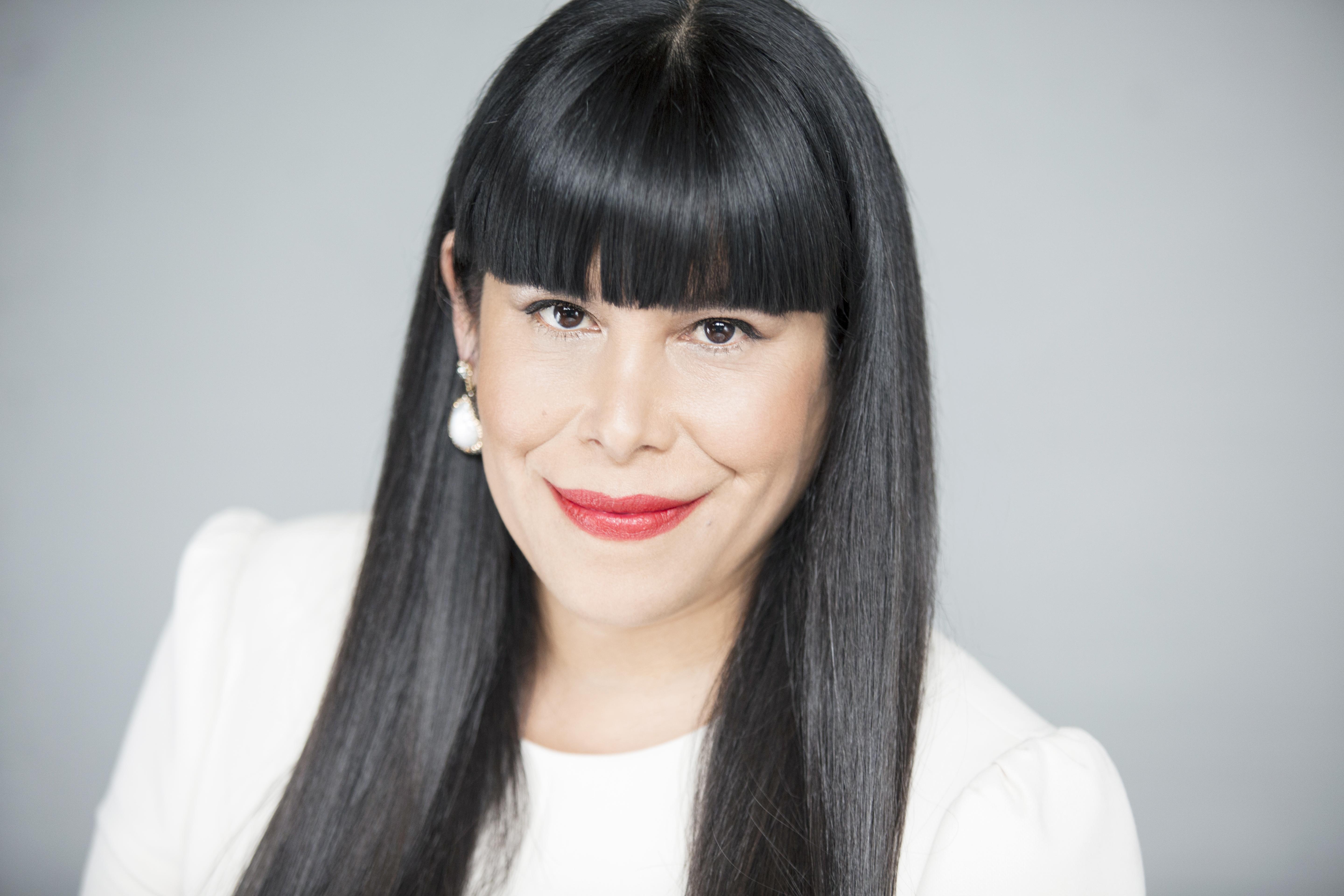
Monica Feria-Tinta is barrister at Twenty Essex specialising in public international law, and author of the critically acclaimed book A Barrister for the Earth, referred to as ‘a vital book for our times’. Monica’s work has contributed to systemic changes addressing climate change and the protection of the natural world. She pioneered climate justice in international courts and acted in several landmark cases including in the Advisory Opinion on climate change in the ICJ. She was counsel in the seminal Rights of Nature case Los Cedros - a world precedent on an eco-centric approach to nature protection, and is currently acting for Mar Menor, the first natural body in Europe, a legal person, to reach the European Court of Human Rights. Monica was a ‘Barrister of the Year’ finalist at The Lawyer Awards 2025, Woman of the Year at the Women & Diversity in Law Awards 2025, and The Times’ first “Lawyer of the Week” in 2025. Her work has been featured in The Times, The Guardian, Vogue, and BBC Radio. A Barrister for the Earth was a finalist for Westminster Book Awards and named to Forbes Magazine's list of selected climate books to read for 2026.
Monica served as Assistant Legal Adviser to the Foreign Commonwealth Office (Legal Directorate) (2018-2019), was Visiting Fellow at Jesus College (2021) and Partner Fellow at the LCIL, University of Cambridge (2019-2021). She holds an LLM with merit from LSE and the prestigious Diploma of the Hague Academic of International law (2000).
(4) Tuesday 24 November: Constitutional Developments of Rights of Nature
Some states have already enshrined rights of nature into their domestic framework though constitutional protection, or law and regulations. What were the conditions in country which led to this and what are the consequences? Has it resulted in a rebalance of the relationship between humans and nature? In other places, whilst national governments have not formally recognised rights of nature, local government has. What impact does this have?
Register for this webinar via Zoom.
Speakers:
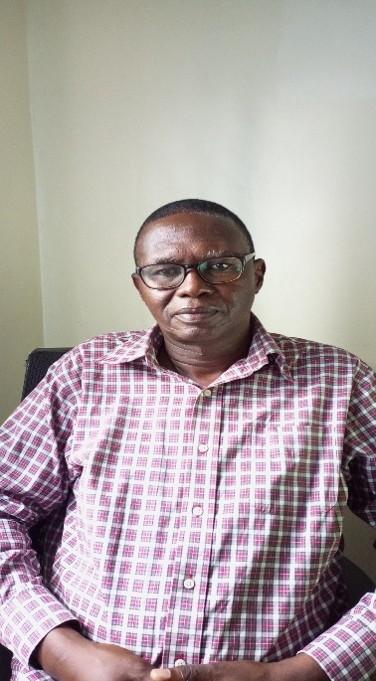
Tabaro Dennis Natukunda is a Founder and Executive Director of Africa Institute for Culture and Ecology (AFRICE), a Ugandan civil society organization working at the intersection of culture, ecology, agroecology, biodiversity and Rights of Nature.
He is the pioneer of the Earth Jurisprudence and Rights of Nature Movement in Uganda and Africa at large. He serves on the Board of Climate Action Network East Africa (CAN-EA) and on the steering committee of Global Alliance for Rights of Nature (GARN)
His areas of expertise include community ecological governance, agroecology, indigenous seed systems, environmental advocacy, indigenous knowledge and Rights of Nature.
He holds M.Sc., Agroecology, BA. Adult& Community Education, Diploma in Accounting and is an Earth Jurisprudence (EJ) Practitioner.
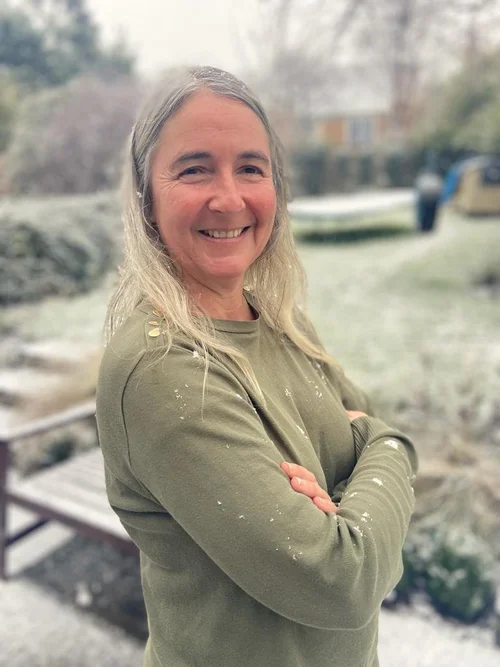
Emma Montlake is head of Casework at the Environmental Law Foundation. She is passionate about nature and assisting ELF's grassroot communities to protect the nature they love . Emma is a director at Love Our Ouse (LOO) and sees synergies between the work she does at ELF and LOO especially with the rights of nature movement in the UK. She is also a founder member of Green United. Helping school children in her hometown of Lewes to take environmental action.
(5) Tuesday 1 December: Balancing the Rights of Nature: Mining
We will take a dive into the complex world of mining as a prism through which to explore how rights in nature might be applied in practice. There are multiple lenses through which to view the issues, but how do we ensure that all relevant factors are balanced? We will explore the issues by reference to the situation of lithium mining in Zimbabwe and gold and bauxite mining in the Amazon.
Register for this webinar via Zoom.
Speakers:
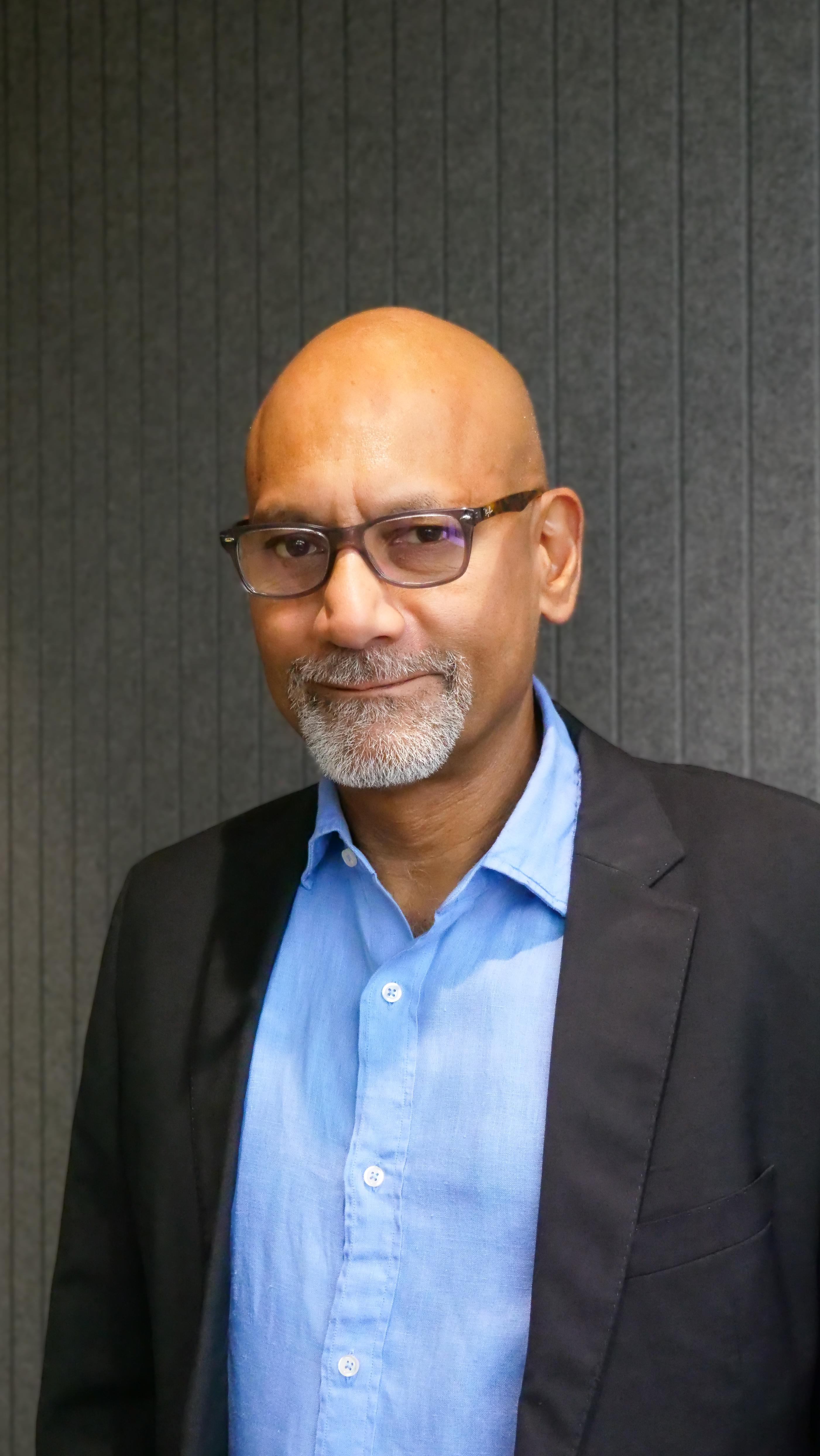
Richard Meeran has been a Partner at Leigh Day since 1991. He pioneered UK litigation against multinational parent companies from the mid-1990s. He is Editor of ‘Human Rights Litigation against Multinationals in Practice’ published by Oxford University Press in October 2021. In 2024 was appointed by the UN as a legal expert to the working group on the legally binding treaty on business and human rights.
Professor Octávio Ferraz is a Reader in Transnational Law. He holds an LLB and MPhil in Law (University of São Paulo), an MA in Medical Ethics & Law (King's College London, prize Benjamin Geijsen) and a PhD in Law (University College London).
Before joining King's he was a senior research officer to the UN special rapporteur for the right to health, Professor Paul Hunt, at the University of Essex, and then moved to Warwick Law School, where he was an Assistant and then an Associate Professor for 8 years.
Before moving to academia, he practiced law in Sao Paulo, Brazil, mostly in the fields of corporate public law and medical law for over ten years. He is still a member of the Brazilian Bar and contributes regularly to the Brazilian press.
(6) Tuesday 8 December: Technology and Nature Based Solutions
On the one hand there is the use of technology including AI to identify and produce solutions for the better protection of nature e.g. through the development of renewable energy sources and a move from fossil fuels. On the other hand technology itself has an immense environmental footprint – see e.g. the energy needs of the ever growing number of data centres to fuel our use of IT. There is also a tension between proponents of nature based solutions and those who advocate for technical solutions, a tension between pre and post industrial societies. How do we move forward and is there any consensus?
Register for this webinar via Zoom.
Speakers:
Professor Nathalie Seddon


