
Exclusive images and testimonies reveal conditions inside the Sintiki ‘Special Detention’ centre in Greece

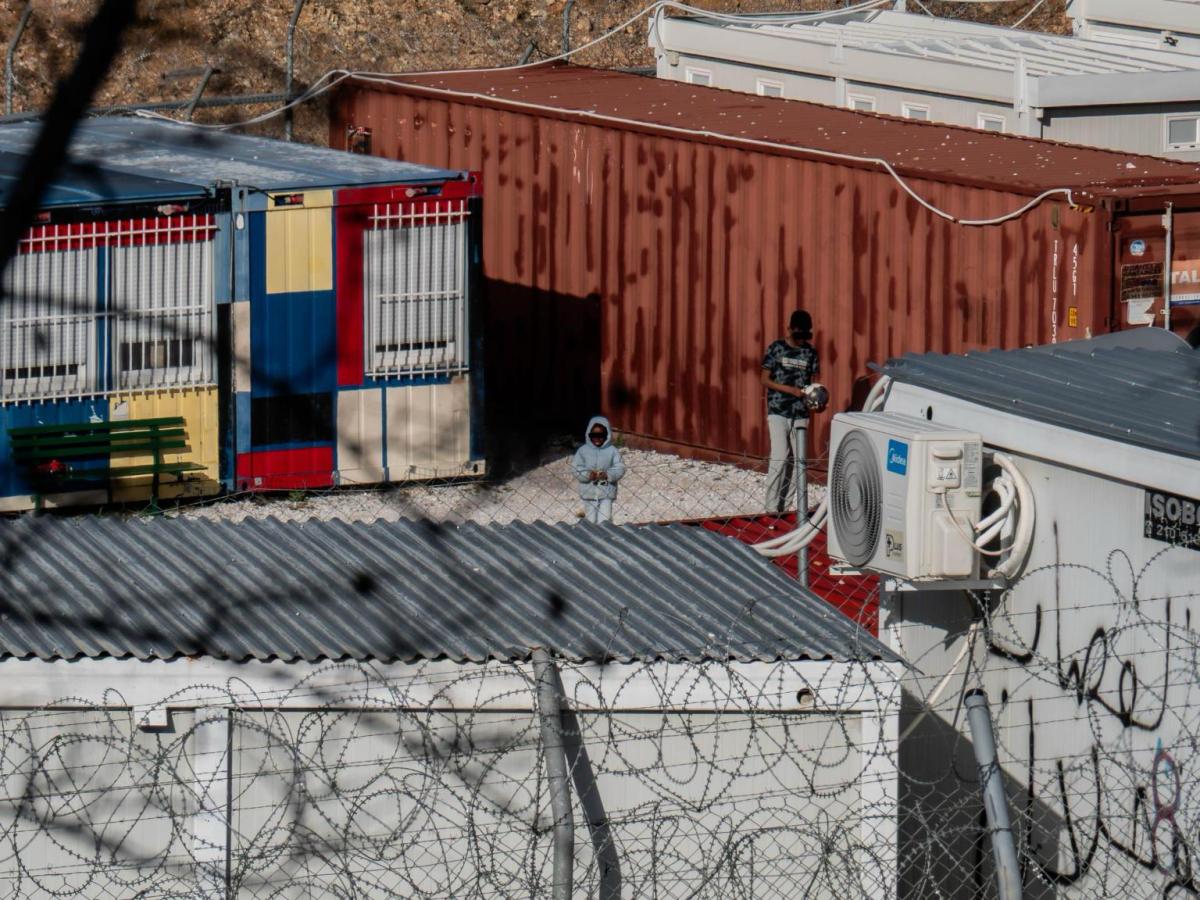
A research platform linked to Oxford University is publishing today exclusive images and testimonies that show the conditions inside the Sintiki detention centre in northern Greece.
This press release is also available to read in Greek.
More formally known as the Special Detention Facility of Serres, the structure was hastily established in July of last year to detain people on the move arriving to the Greek island of Crete by sea.
Detainees inside Sintiki have been protesting their long-term detention and degrading living conditions inside the camp since August of last year. According to Greek newspaper EfSyn, individuals accused of organising such protests are regularly arrested and sentenced to up to 3 years in prison.
The images obtained by the Detention Landscapes platform show what looks like a heavily controlled and surveilled facility, set up in an extremely remote area in the north of the country, some 6km from the Greek-Bulgarian border.
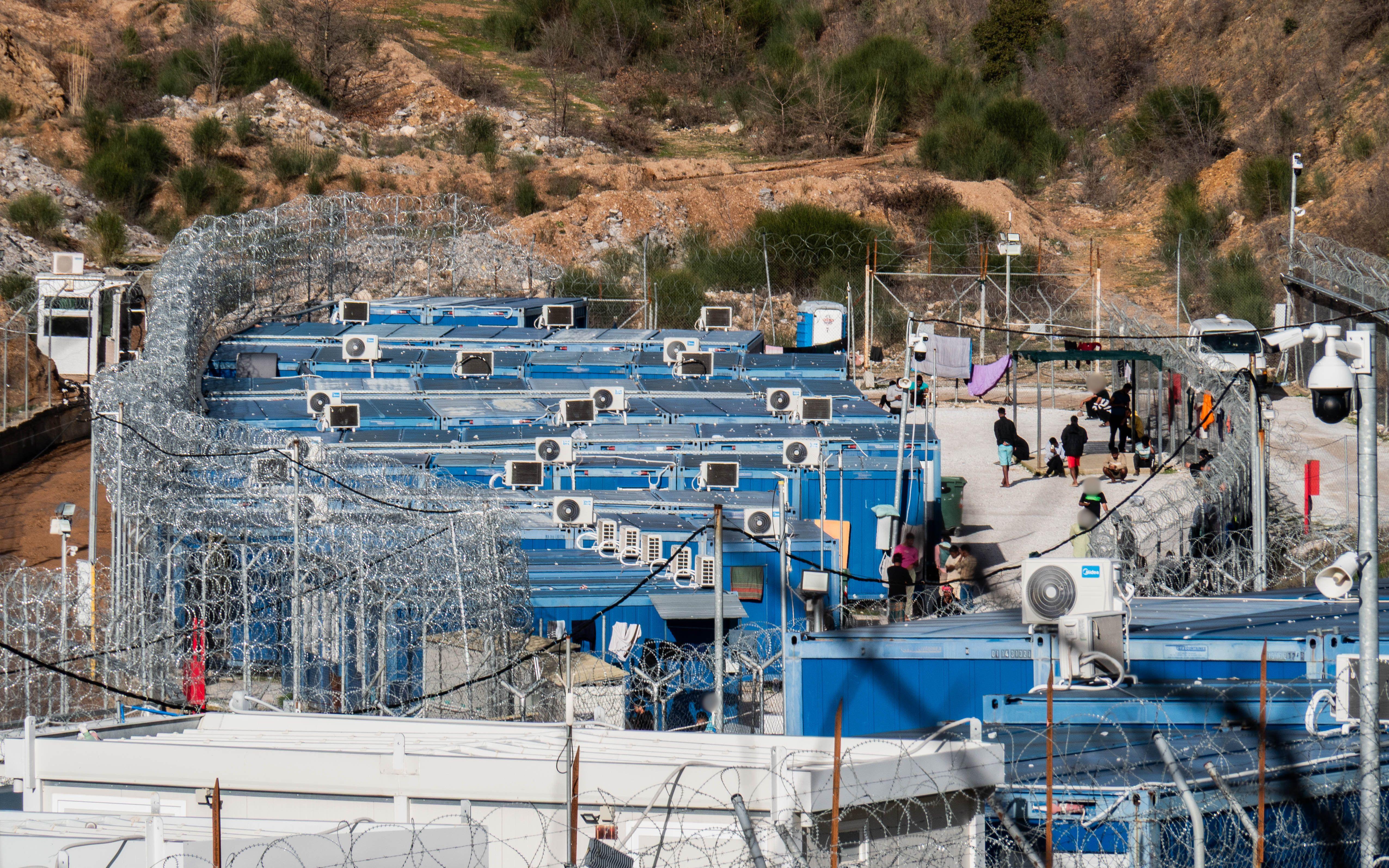
According to testimonies, the police patrol the facility using an internal road which runs between two high perimeter barbed wire fences lined with security cameras. According to the Ministry of Citizen Protection, 35 police officers, 110 border guards have been deployed to the facility.
Andriani Fili, research collaborator on the Detention Landscapes project said: “The addition of the Sintiki ‘special detention facility’ to our platform allows us to track the development of Greece’s always changing detention landscape, and to offer human rights monitors the ability to further document violations of the rights of people detained there.”
The Detention Landscapes platform, launched in 2024 by a team of researchers from the Border Criminologies network at Oxford University, in collaboration with the Border Violence Monitoring Network (BVMN) and Mobile Info Team, has been lauded for its contribution to the work of international human rights monitors and local civil society groups.
Notes to editors
The following spokespeople are available on request for comment:
- Andriani Fili (she/her) - co-director of Border Criminologies at Oxford University and research collaborator on the Detention Landscapes project: andriani.fili@crim.ox.ac.uk / +30 694 074 2774 (WhatsApp/Signal)
- Anas Ambri (he/him) - Communications Coordinator at the Border Violence Monitoring Network: press@borderviolence.eu / +49 1575 118 2046 (WhatsApp/Signal)