
Research workshop explores frame analysis in human rights research and practice



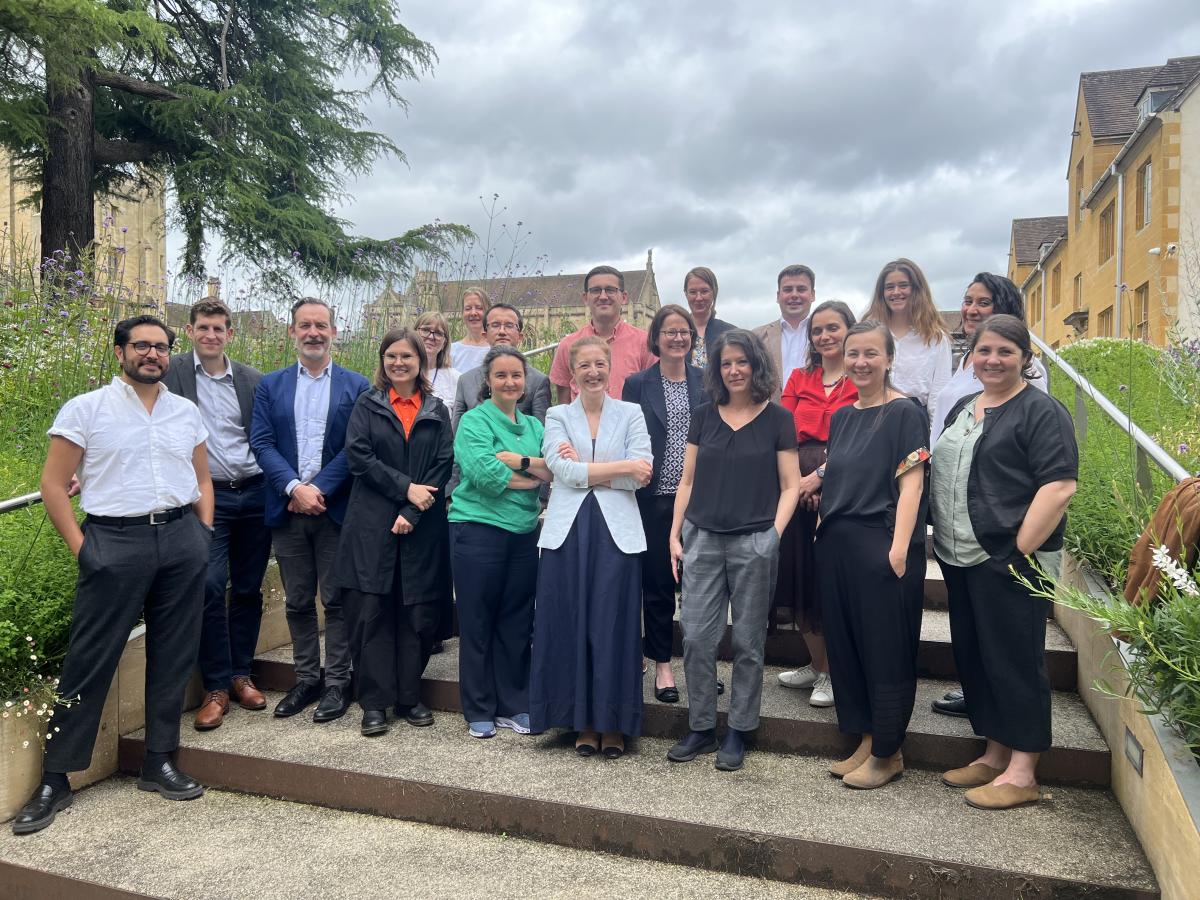
Legal scholars, sociologists and human rights practitioners gathered at the Bonavero Institute of Human Rights in Oxford to examine how migration, climate change and authoritarianism are framed in law and politics in Europe by rights groups, governments and courts and with what political, legal and material consequences.
The event was the closing conference of the research project Framing Reality and Normativity in European Human Rights Law: Climate Change, Migration, and Authoritarianism, funded by the Volkswagen Foundation, co-hosted by the Hertie School, Helmut Schmit University and the Bonavero Institute of Human Rights.
Participants explored how migration, authoritarian practices and climate change are framed by social movements, non-governmental organisations, governments, scholars. The papers examined framing processes across Europe, including the United Kingdom, Romania, Poland, Turkey, Denmark, Hungary, Latvia, Lithuania and Spain, and before the European Court of Human Rights and the Court of Justice of the European Union. Two papers also examined frames at the Inter-American Court of Human Rights and the African human rights system.
Opening discussion was on the key takeaways from the Special Issue edited by Esra Demir-Gürsel, Jens Thielen and Başak Çalı on Frame analysis of European human rights: The construction of realities surrounding migration, climate change, and authoritarianism by the Council of Europe published in 2026 in the International Journal of Human Rights.
Framing migration in human rights struggles in Europe
The first panel focused on migration and the role of human rights discourse in shaping public and political debates across Europe. Presentations explored issues including how migration and migrant rights are framed in the UK and Denmark, the differences in the political, diplomatic and legal frames in the context of the migration and human rights debate in Europe, which culminated in the Council of Europe’s Chișinău Declaration of 15 May 2026 and the use of anti-torture frameworks to address interconnected challenges of migration, climate change and democratic decline.
Framing climate change in human rights struggles: Europe and Americas
A second panel examined the framing of climate change within human rights struggles, comparing how the human rights and climate movement frames informed the legal frames before the European Court of Human Rights and the Inter-American Court of Human Rights.
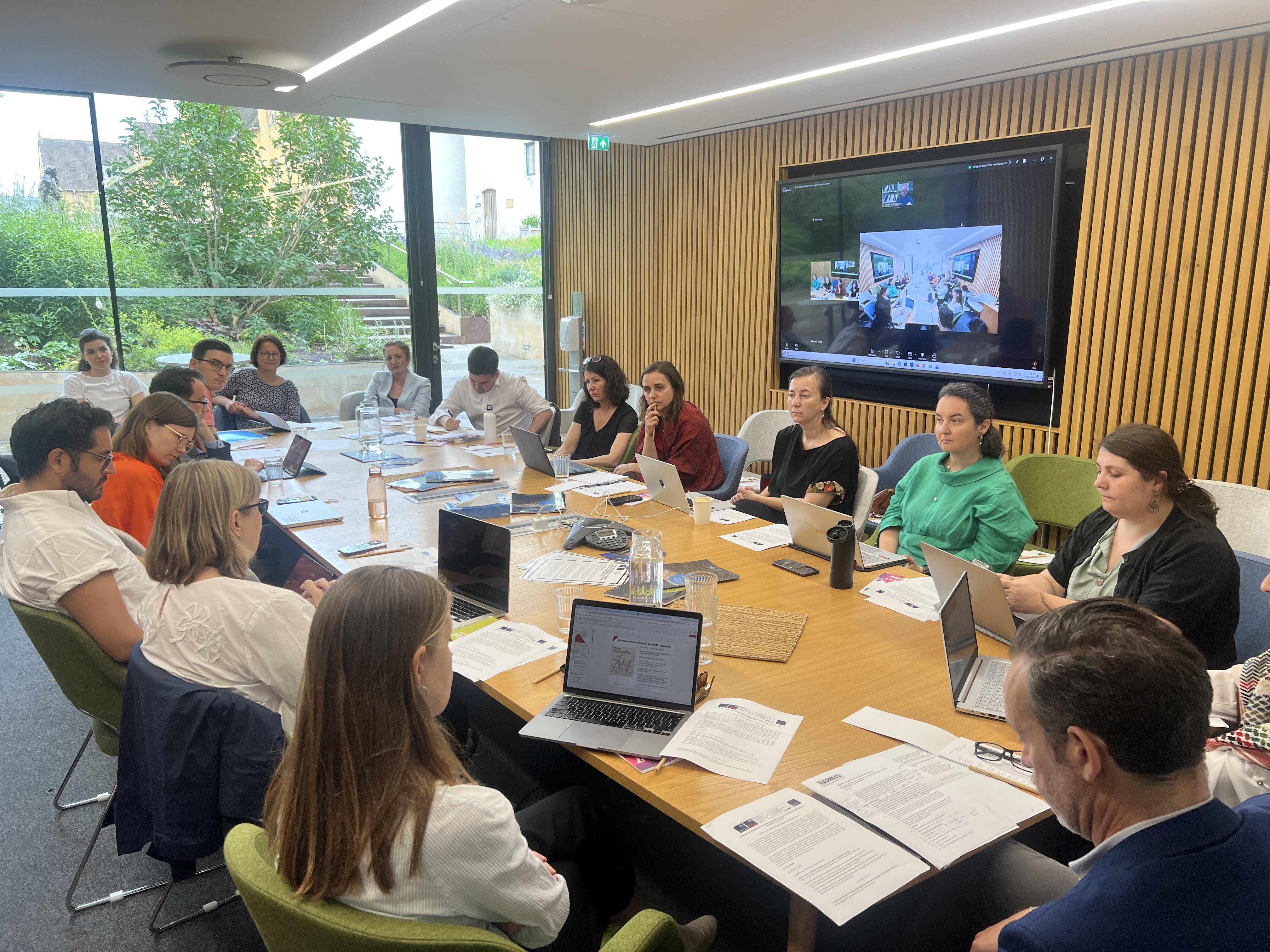
Framing effects of the European Court of Human Rights
The second day focused on how frames operate in the case law of the European Court of Human Rights (ECtHR), whose frames count and how they shape legal doctrines. Presentations examined the European Court’s case law on pushbacks on EU’s borders and the role of geo-political and migrant blaming frames therein, how the rule of law frame shapes and limits the types of litigation that can succeed before the European Court and what explains the variations in the emphasis placed on protection of the rule of law in the European Court’s case law in Poland and Turkey.
Concluding thoughts
The workshop highlighted the importance of understanding how human rights claims are communicated and contested in contemporary society by scholars and practitioners and underscored that the effectiveness of human rights protections also requires an understanding of the frames and narratives through which rights claims are employed by courts, policymakers and the wider public.