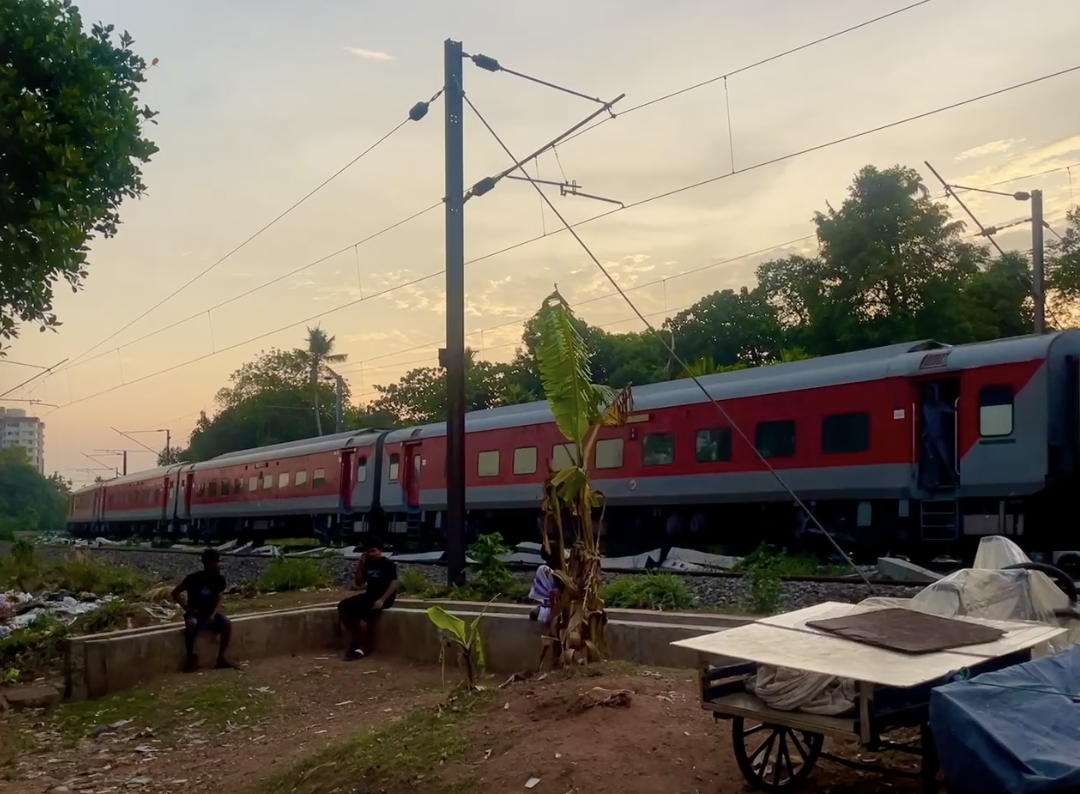
This talk draws on my doctoral research with internal migrants in India. Based on a year-long multi-sited ethnography following migrants from Odisha working in Kerala’s urban informal economy, I examine how migrants experience and navigate the law at their destinations.
I show that although formal legal rights exist, they are unevenly accessible and often mediated through employers, contractors, and migrant networks. In the city, migrants are socially and spatially produced as ‘outsiders’ living in segregated settlements, working in informal sectors, and navigating unfamiliar institutions and norms. Over time, they come to see themselves as migrants first and citizens second, and treat formal legal processes as a last resort.
Drawing on scholarship on moral economies, I argue that migrants negotiate work, risk, and support through shared norms and relationships, through which ideas of ‘good work’ and justice are collectively produced. Rather than simply lacking access to the state, migrants actively reconfigure their relationship to it, often prioritising relational forms of security over formal rights. By foregrounding these everyday negotiations and illustrating the moral and social worlds of migrants, this research contributes to socio-legal debates on labour, migration, and citizenship.

 Add to calendar