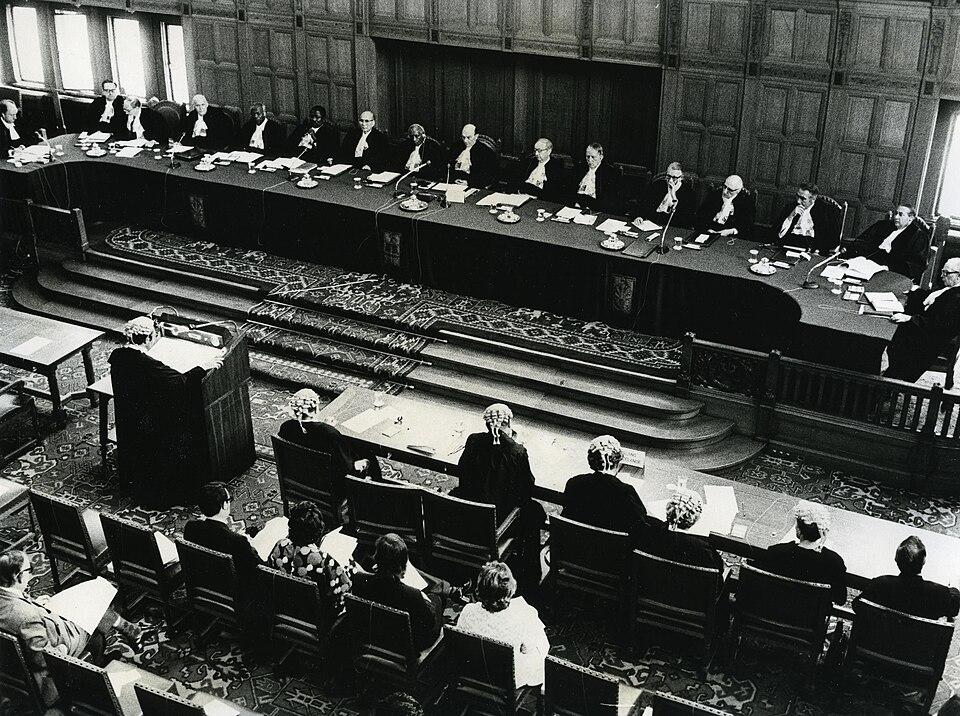
This presentation draws on a research project in collaboration with Esmé Shirlow assessing the International Court of Justice's standing on the world stage. Based on empirical fieldwork, we look behind the scenes at the ICJ to ask how an organisation once considered institutionally fragile has managed to secure lasting authority in the contentious field of international relations. Much of this story runs through the Registry: its bureaucratisation, and the rise of 'law clerks' as a supposed engine of diversification within the Court. Yet that diversification is less impactful than expected. Two institutional logics -- a deep-seated conservatism and a strong pull toward collective decision-making -- absorb much of its effect. The picture that emerges is a Court that opens its doors wider while its internal workings quietly protect something else: the doctrinal continuity of international law in an unstable field.

 Add to calendar