


Policymakers and regulators are beginning to tackle the problems associated with the deployment of algorithmic management systems, from algorithmic opacity to mental and physical harm. But, the approaches to regulate algorithmic management differ – many do not precisely identify what novel harms are posed by algorithmic management and overlook the existing protections that might be capable of addressing these issues. Our policy blueprint sets out a comprehensive set of eight regulatory options to ensure workplace AI supports productivity and efficiency while maintaining effective worker protection, transparency, and human oversight.
This site is part of a project that has received funding from the European Research Council (ERC) under the European Union’s Horizon 2020 research and innovation programme (Grant agreement No. 947806).

Project overview with Professor Jeremias Adams-Prassl
Amidst important debates about the gig economy and the automation of jobs, employment law has paid scant attention to the rise of algorithmic management: the increasingly pervasive reliance on monitoring technology and sophisticated algorithms to measure, control, and sanction workers. This poses a fundamental threat to the legal regulation of our labour markets. Automated management allows the exercise of hitherto impossibly granular employer control.
At the same time, however, the absence of clear decisions and traditional management structures appears to disperse responsibility ‘into the cloud’. How can employment law respond to a world in which automation has not replaced workers—but their bosses? iManage develops the first systematic account of the challenges and potential of algorithmic management, examine its implications for legal regulation, and develop concrete solutions to avoid harmful path-dependencies.
Looking at a range of jurisdictions across the European Union (EU) and beyond, our work demands the development of novel, interdisciplinary methodology at the intersection of data science and employment law. In articulating the underlying structures of automated management control, we develop a new and positive role for employment law in ensuring algorithmic accountability, and shaping the responsible use of technology in the workplace. This is a challenge we cannot shy away from: both the theoretical foundations of employment law, and its practical operation across different jurisdictions, depend on understanding and regulating the radically different organisation of the workplace of tomorrow.
Algorithmic management toolkits
Our four targeted toolkits show how existing legal and regulatory protections, better policy decisions, and improved technology design choices can uphold effective worker protection, while supporting the productivity and efficiency of algorithmic management.
People may think that because AI is new, the law doesn’t apply. But that’s a very convenient myth. The starting point must be that existing rules – including those on discrimination, privacy and fairness – still hold. Only once we’ve applied those can we identify the true gaps that need new regulation.

Professor Jeremias Adams-Prassl


This site is part of a project that has received funding from the European Research Council (ERC) under the European Union’s Horizon 2020 research and innovation programme (Grant agreement No. 947806).
If you have any questions or feedback about this site or our research, please get in touch by emailing ai.work@law.ox.ac.uk.
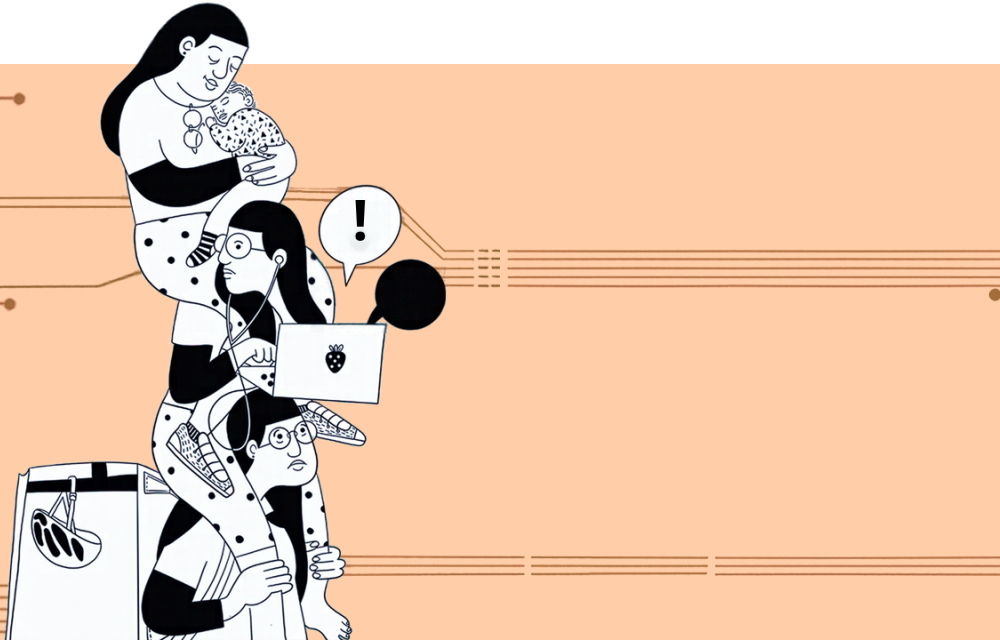
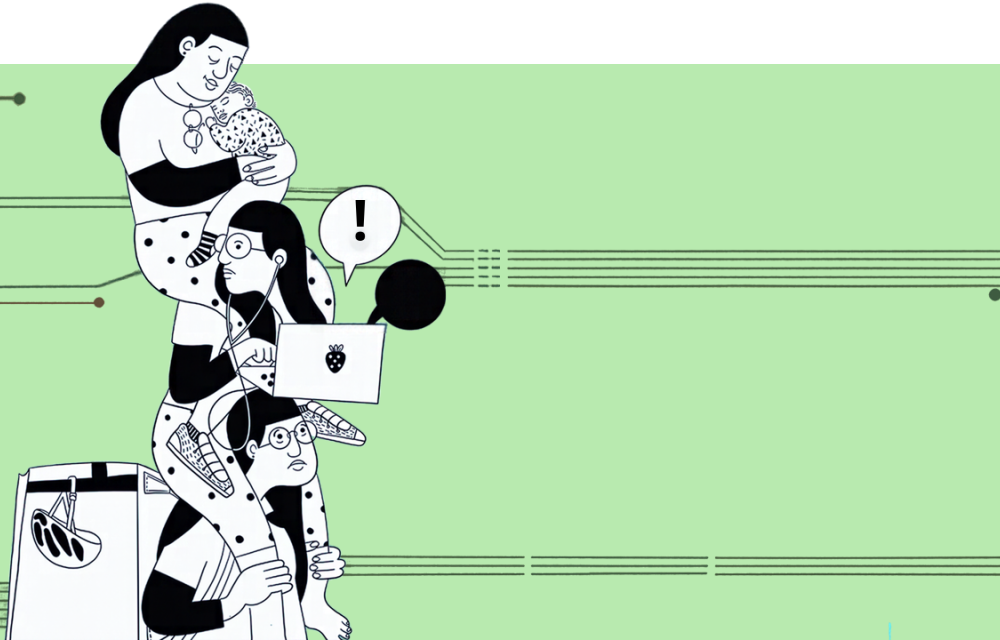
Illustrative images on this site have been sourced from Better Images of AI – a free image library of more representative, accurate, and inclusive images of AI. Cover image: Yutong Liu & Digit / Better Images of AI / CC BY 4.0.