On Being Addressed in the Field — Notes from Lesotho
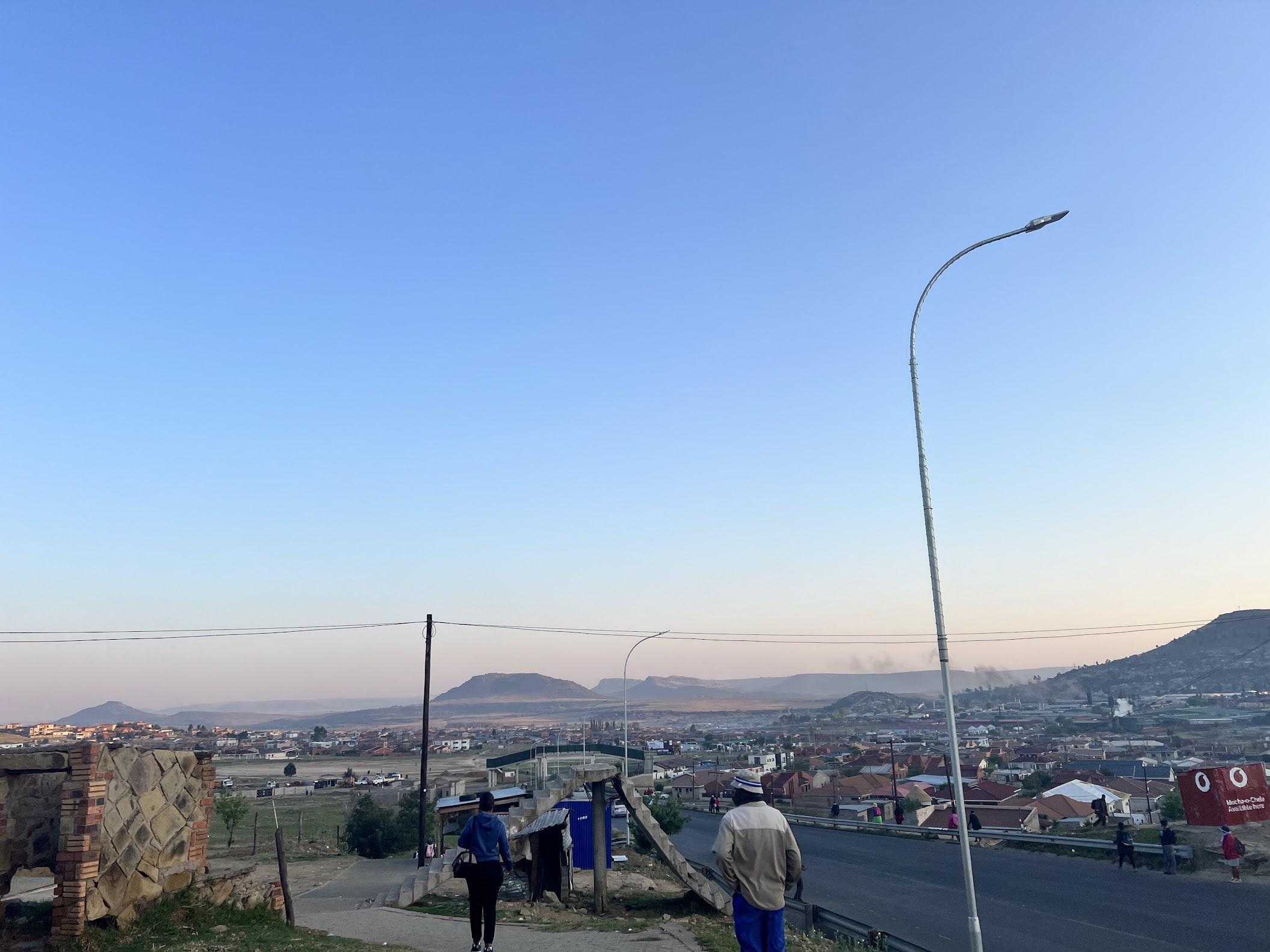
Early in my fieldwork in Lesotho, I often walked along the main boulevard in the capital, Maseru. Men would sometimes call out to me from across the street: “Ni hao.” The phrase was shouted suddenly, sometimes accompanied by laughter. Interpreted through my own social and cultural experiences—and the echoes of warnings from other researchers that my appearance might make talking to garment workers difficult—these moments felt unsettling, even offensive. I was already acutely aware of my visibility as Asian and anxious about how I might be perceived in a context marked by global garment production in Chinese- and Taiwanese-owned factories. These encounters heightened my sense that my body was being read in ways I could not control.
What complicated this initial interpretation was time. As people became more accustomed to my presence, and I to theirs, it became clear to me that they were genuinely attempting to greet me using what they believed was my language. Often, whatever uncertainty about one another dissipated once I began to greet back in Sesotho. What I had first experienced as unsettling—even as an initial affront—came to feel like an opening to connection rather than a barrier. In retrospect, my body was not simply an obstacle to be managed, but the medium through which relationships were formed.
If some anticipated difficulties proved less consequential than expected, other dynamics emerged that I had given far less thought to. In particular, being a woman and being American shaped interactions in ways I had not fully anticipated. Spending time with women garment workers—walking together, sitting in their homes, or talking in shared village spaces—I found that conversations often moved quickly beyond workplace gender-based violence, the topic of my research. Women would often speak openly about their personal lives, relationships, and struggles, invoking shared understandings of womanhood and relationships with the men in their lives. Because many Basotho associated Americans with their school Peace Corps teachers, they were curious and eager to interact with me—another unexpected opening to connect. Trust, in these moments, arrived much more readily than I had expected.
These experiences reshaped how I understood my positionality in the field. They reminded me that the social meaning of being perceived and received in the field cannot be assumed in advance, but emerges and shifts. Some of what I feared never materialised, while other forms of openness emerged easily—but everything only through sustained presence and time.