
CSLS hosts workshop with Human Rights Watch’s Digital Investigations Lab and WITNESS


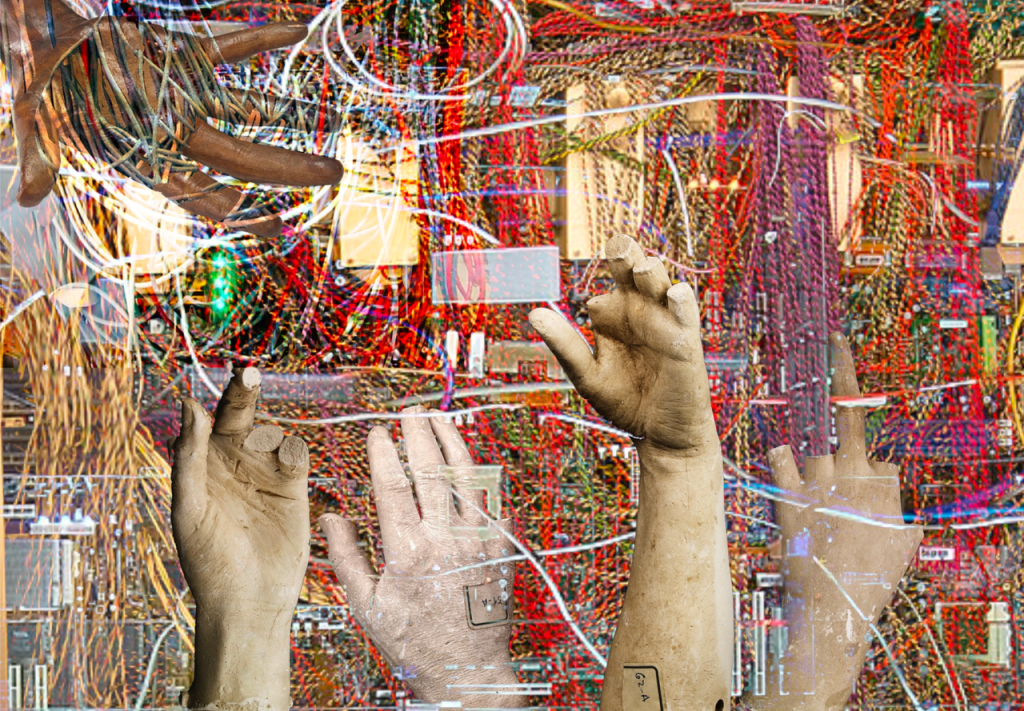
The CSLS was delighted to host a workshop with Human Rights Watch and WITNESS that brought together practitioners and researchers working across fact-checking and open-source investigation, human rights documentation, investigative journalism, legal and accountability work, and detection-tool development.
Over two days, participants from around the world explored, under the Chatham House Rule, how to continue verifying and reporting on visual evidence in a world where any piece of media could potentially be synthetic. From organisations such as Africa Check to The New York Times, participants discussed shared challenges, including how developments in this fast-evolving field are making it increasingly difficult to establish the authenticity and reliability of visual evidence, and how much the landscape is likely to change in the coming months.
A recurring theme was the importance of human verification, alongside the need for continued investment in empirical research to better understand both the capabilities and limitations of emerging detection tools. This was a unique opportunity to bridge research and practice, exchange perspectives across different fields, and help shape new research agendas in an area undergoing significant change.
Several of our CSLS DPhil students and postdocs were invited to participate, including Abdullahi Ali Hassan, Zayaan Asmi, Juliana da Cunha Mota, and Ann-Marie Debrah.