
Chinese Law and Restorative Justice
Speaker(s):
Series:
Associated with:
 Add to calendar
Abstract
Restorative justice originated in social reform movements in Western countries and has, as both an idea and a practice, profoundly influenced criminology and criminal policy over the past four decades. The concept has been introduced in China in the early 2000. However, scholars have recognized that the principles and similar practice has been in existence in China from ancient times to modern times, with a cultural setting more favorable to restoring relations among parties involved in civil disputes as well as criminal conflicts. Comparative studies have revealed many differences between the West and China, a primary argument is that many restorative justice cases in China have not been resolved entirely based on voluntary principles, which Western restorative justice practice stresses it as fundamentally central to restorative process.
The present research addresses the issue by introducing the relevant Chinese law to examine the issue first, reviewing how Chinese Law formally stipulate the solution to the issue. Secondly, the present project addresses the issue by proposing empirically possible research design to see how the law in action is can be investigated to test the hypotheses that Chinese Law plays in actual restorative justice process in practice. These explorations will help to form a promising theoretical framework of restorative justice that draws insights from Chinese context to move forward to theocratizing of restorative justice that explains the process in both West and China.
Speaker Biography
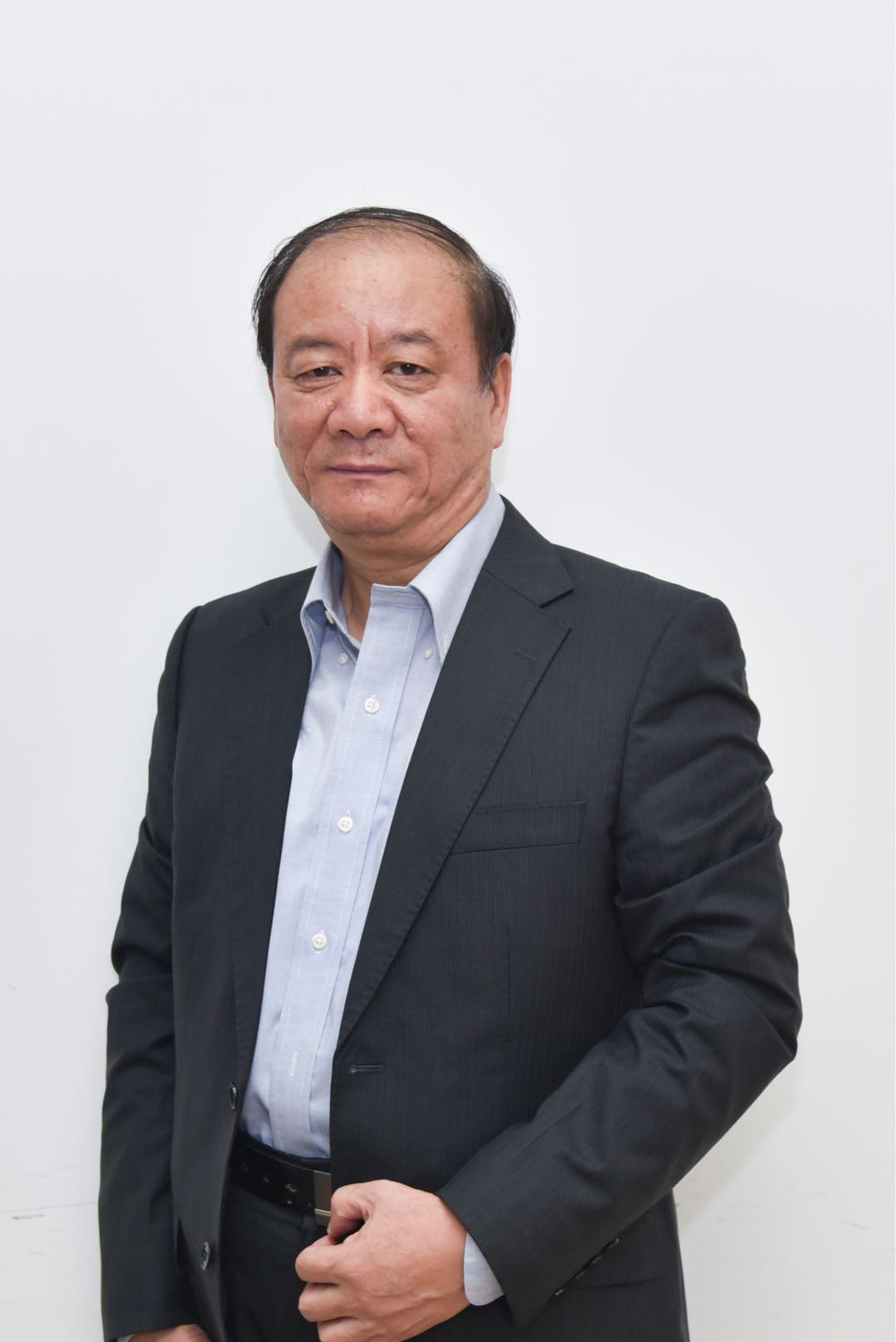
Jianhong Liu is a Distinguished Professor at Faculty of Law, Macau University of Science and Technology. He has authored and co-authored 226 academic publications, including 31 books and more than 100 SSCI or Scopus articles, as well as more than 50 book chapters. He has won many awards, including 2025 “Sellin & Glueck Award” of the American Society of Criminology, 2016 “Freda Adler Distinguished Scholar Award” from the International Division of the American Society of Criminology, and 2018 "G. O.W. Mueller Award for Distinguished Scholar” of the International Section of the Academy of Criminal Justice Sciences. His co-authored book has won several awards too. Professor Liu has served in numerous leadership roles in international academic organizations. He was the Elected Founding President and Honorary President of the Asian Criminological Society (2009 - 2015); he has been the Elected President of the Scientific Commission of the International Society for Criminology (since 2014), the Elected Chairman of the General Assembly of the Asian Criminological Society (since 2016) etc. Prof Liu is the Editor-in-Chief of the Asian Journal of Criminology (SSCI Q2). He has been invited to give more than 80 keynote and plenary speeches and seminars internationally including at European Society of Criminology, International Society of Criminology, Asian Criminological Society, and Academy of Criminal Justice Sciences.


