

PIL Discussion Group: Diplomatic Asylum in Latin America: Continuity, Crisis, and Legal Evolution
Speaker(s):
 Add to calendar
Abstract
The presentation will examine the contemporary relevance of diplomatic asylum in Latin America through the lens of recent regional crises and evolving international law. Anchored in the 1954 Caracas Convention on Diplomatic Asylum, it analyses the political and humanitarian foundations of the institution, the scope of the asylum-granting State’s discretion, and the corresponding obligations of territorial States, particularly the duty to grant safe conduct. Drawing on recent disputes involving Peru and Mexico, and Ecuador and Mexico—currently before the International Court of Justice—the presentation will explore tensions between diplomatic asylum, the fight against corruption, international judicial cooperation, and the rule of law. It will further assess the impact of international human rights law, especially the principle of non-refoulement, on traditional Latin American asylum practice. This presentation will conclude by proposing a systemic interpretation of diplomatic asylum that preserves its regional specificity while ensuring coherence with contemporary developments in international responsibility and human rights law.
Speaker
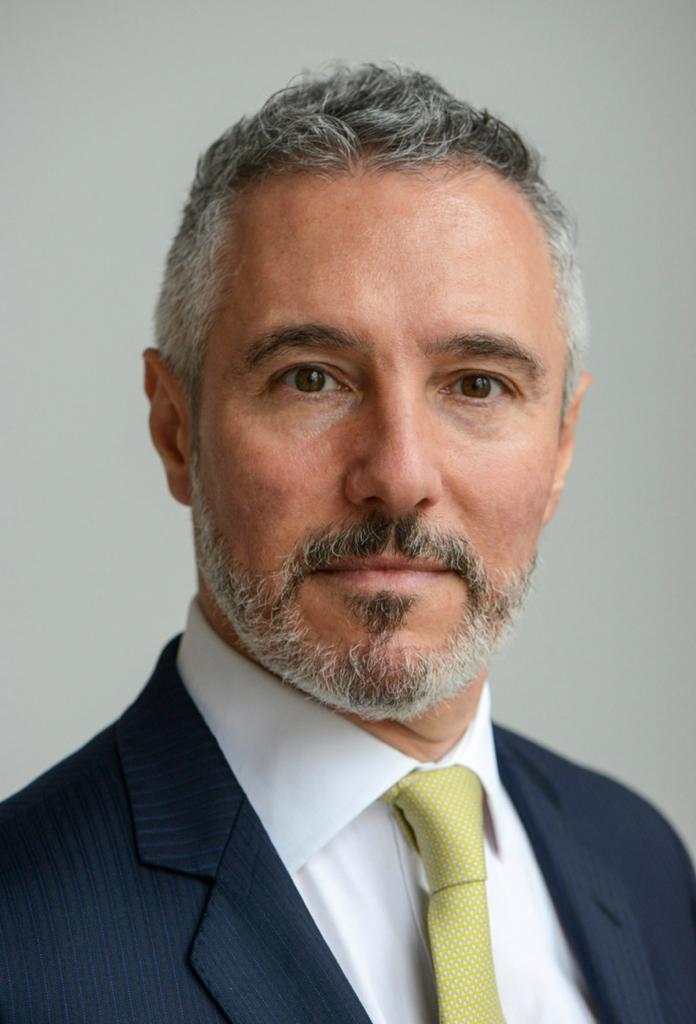
Mario Oyarzábal is the Legal Adviser to the Argentine Foreign Ministry. He is also a member of United Nations International Law Commission, a member of the Permanent Court of Arbitration, and an associate member of the Institut de Droit international. A career diplomat since 1997, he served as Ambassador to the Kingdom of the Netherlands between 2020 and 2025, also representing Argentina before the international organisations and tribunals in The Hague. Previously, he was Deputy Permanent Representative of Argentina before the UN Security Council from 2013 to 2014. He has appeared as agent or counsel for Argentina before the ICJ, ITLOS and ICAO Council. He taught a special course at The Hague Academy of International Law in 2020 and has been invited to deliver the general course.


