About 80% of residents in Singapore live in high-rise public housing flats. While the concept of public housing in other jurisdictions often refers to subsidised rentals, the vast majority (~90%) of public flats are owner occupied, albeit on a leasehold interest. The government (Singapore's Housing and Development Board (HDB)) constructs and sells these flats on a leasehold basis (typically 99 years). Following a minimum occupation period of at least 5-years, these flats can be sold in the open market, with prices for prime flats sometimes exceeding US$1M. With the stated aim of preventing racial enclaves from forming, the distribution of flats must broadly adhere to the proportion of the various races in Singapore (Chinese-Indian-Malay-Others). Some of the pros and cons of this policy are discussed. Because of strict eligibility criteria (generally related to race, age, marital status, etc), a related question of interest is whether resulting trusts can arise in relation to HDB flats, and the effects which emerge if this should be necessarily limited to express trusts only.
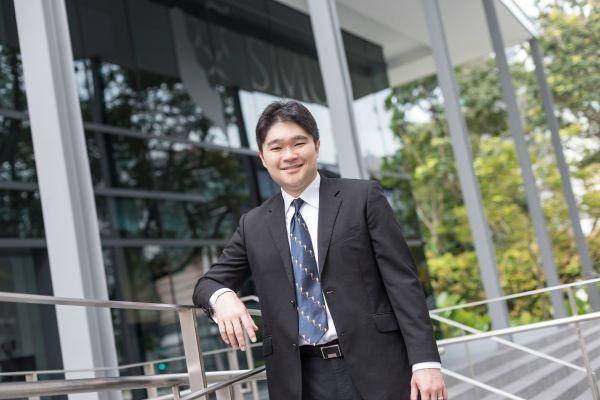
Edward Ti is an Associate Professor of Law at the Singapore Management University, where he also serves as one of the associate deans. He read his LLB at the National University of Singapore, and holds a PhD from the University of Cambridge, where he remains a Fellow of the Cambridge Centre for Property Law. Edward researches on all aspects of land law, as well as planning law, and has published in several leading law journals.


 Add to calendar