

How AI is rewriting the rules of branding: insights from Professor Dev Gangjee
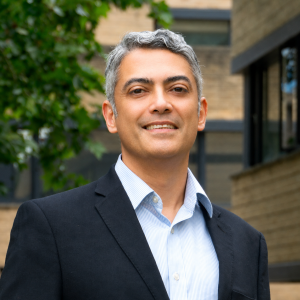
In recent weeks, Professor Dev Gangjee has presented his work at the intersection of artificial intelligence (AI), branding, and trade mark law to diverse audiences including intellectual property (IP) practitioners, trade mark registry officials, journalists, and brand owners.
His work explores two pressing themes: first, how IP offices are integrating AI into their day-to-day operations, and second, how AI-assisted retail environments are reshaping marketing practices, consumer behaviour, and potentially the very foundations of trade mark law.
Professor Gangjee delivered the keynote address at the Hogan Lovells Brands Seminar 2025, examining whether the rise of AI retail assistants – which allow consumers to bypass brands and access information directly – might signal the gradual 'death' of trade marks. Central to his talk was a provocative question: to what extent does AI displace human decision-making, and under what conditions are consumers willing to surrender autonomy to algorithmic shopping companions?
At the 39th Annual MARQUES Conference (The Hague, September 2025), Professor Gangjee joined the opening panel to discuss AI adoption within intellectual property offices. As trade mark registries experiment with machine learning tools for classifying goods and services, automating translations, and identifying conflicts between marks, he highlighted the urgent need for robust benchmarks to assess the reliability and accountability of these technologies. The session prompted a lively exchange among brand owners, legal professionals, and representatives from leading IP offices – including EUIPO, BOIP, and WIPO – who are actively deploying these systems.
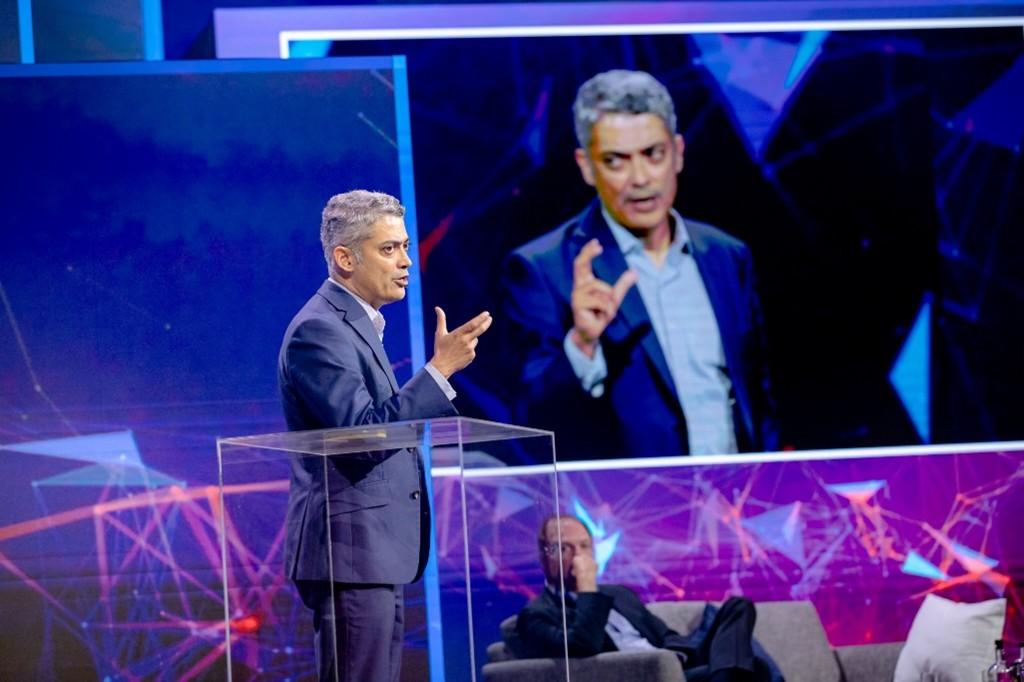
Closer to home, Professor Gangjee chaired an expert panel at the Oxford Generative AI Summit 2025, at the Jesus College Cheng Kar Shun Digital Hub (October 2025). The session examined how generative AI is transforming creative industries while challenging established notions of copyright and authorship. Generative AI is seen as an existential threat by many creative professionals, whose creative works are used to train models. Bringing together leading voices from law, creative practice (in this case, photography), and academia, the discussion explored the evolving legal landscape surrounding the use of copyrighted works in AI training datasets, as well as emerging policy responses across jurisdictions.