

Medical evidence crucial in holding polluters accountable for harming health, say experts

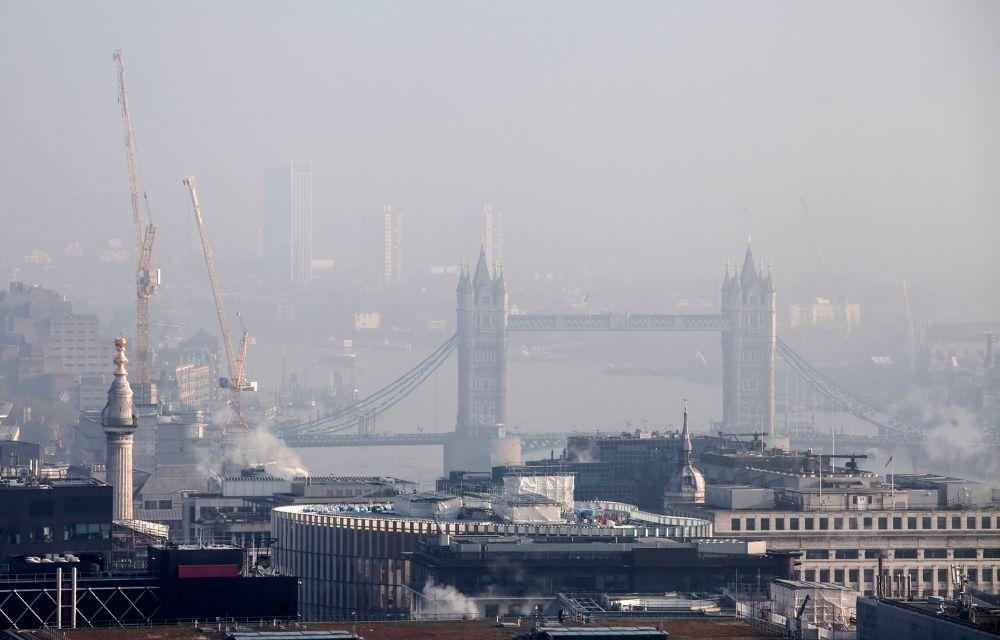
Medical and scientific evidence is proving invaluable in holding public authorities accountable for the impact of unlawful air pollution on people’s health, say Oxford University experts in The BMJ journal’s climate issue.
Gaia Lisi (DPhil candidate, Faculty of Law) and Dr Rupert Stuart-Smith (Oxford Sustainable Law Programme, Smith School of Enterprise and the Environment) say that relatively few studies attributing health impacts to climate change have been published so far, but as this research field matures, methods are becoming more widely recognised, opening up new routes for climate accountability.
They describe recent cases where medical and scientific evidence has been used to defend human rights to health.
For example, in the UK, the inquest into the death of 9-year-old Ella Adoo-Kissi-Debrah concluded that exposure to high levels of air pollution contributed materially to her death, while in Italy, judges used peer-reviewed research to establish a “real and imminent risk” to life.
Similarly, in a series of civil liability cases in France, medical evidence was used to prove causal links between short-term peaks in air pollution and aggravation of respiratory symptoms in children.
And they say scientific evidence demonstrating the human health consequences of climate change is likely to assume greater importance in lawsuits in national, regional and international forums following Inter-American Court of Human Rights and International Court of Justice advice that states have specific duties to protect the health of individuals from life-threatening effects of climate change.
In lawsuits concerning environmental pollution, they also point out that medical experts have had a key role in helping courts understand the protections needed to uphold health-related laws, be it through conducting research underpinning legal arguments and judicial decisions, acting as expert witnesses, or providing third-party evidence.
“Improved understanding of the health consequences of climate change could have a similar effect, clarifying the extent to which states are meeting their legal obligations to protect health, and opening up routes for climate justice where they fall short,” they conclude.
Read the paper: Medical evidence drove legal action to clean up the air we breathe – climate justice may be next