

New Research Publications from The Bonavero Institute of Human Rights
This summer saw the Bonavero Research team’s work widely recognised with research articles published in leading academic journals including The European Journal of International Law, The German Law Journal, Human Rights Quarterly. Read a summary of these publications with links to the full articles below.

Kate O’Regan’s monograph Courts and the Body Politic was published this summer with Cambridge University Press. The book, drawing on Professor O'Regan's experience as a judge of the South African Constitutional Court, explores the evolving role of courts in modern democracies, especially focusing on human rights, constitutionalism, and the tensions between judicial power and political authority.
Can looking back in time to the drafting histories of human rights treaties drive progressive treaty interpretation to address today's human rights challenges?
Başak Çali and Joe Finnerty, assistant professor at Leiden University, argue that they can, in the case of Article 18 ECHR.
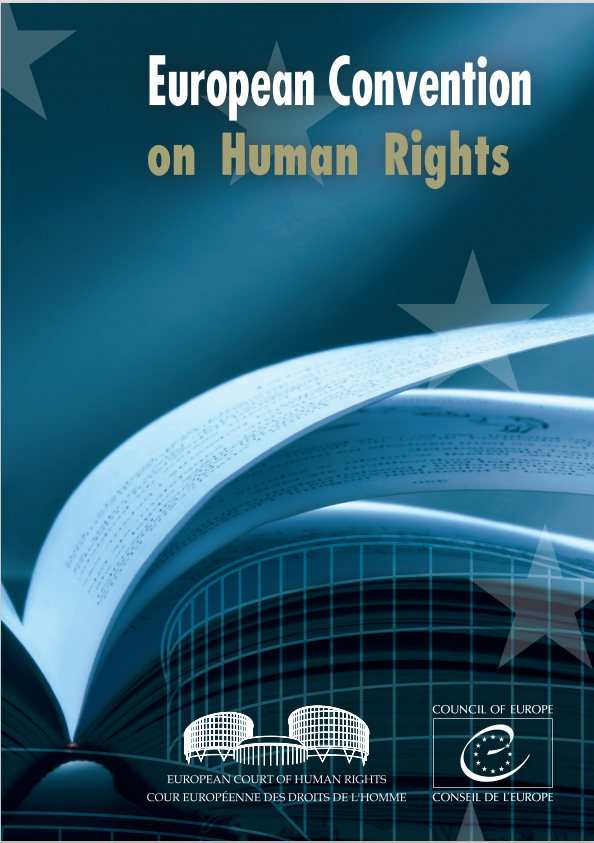
Their open access article published in the European Journal of International Law in June is entitled: 'The Travaux Préparatoires and Progressive Treaty Interpretation: Article 18 of the European Convention on Human Rights'. The article argues why and how it is not the living instrument doctrine, but the Convention’s drafting history that drives progressive interpretation of Article 18 ECHR in the context of autocratisation in Europe.
'A Tale of Disregard: Reception of the Jurisprudence of the United Nations Committee on the Rights of Persons with Disabilities before the European Court of Human Rights', was published in Human Rights Quarterly in August. Co-authored by Başak Çali and Alexandre Skander Galand, Assistant Professor of International Law at Maastricht University, the article provides crucial insights into two important international human rights doctrine and legal- policy questions of our time:
1) Who has the authority to interpret the UN Convention on the Rights of Persons with Disabilities - a treaty that requires fundamental transformations of mindset, law, policy, resource allocation and practice around the world?
2) What is the role of old and general human rights courts (such as the European Court of Human Rights- ECtHR) in giving effect to new and specialised UN Equality Treaties (such as the UN Convention on the Rights of Persons with Disabilities) which seek to address the shortcomings of old and general human rights law in providing effective protections to historically and structurally discriminated groups?
Through a structured comparison of the jurisprudence of the CRPD Committee and the ECtHR, the authors find that the ECtHR's encounter -so far- with the CRPD Committee's case law is a tale of disregard.
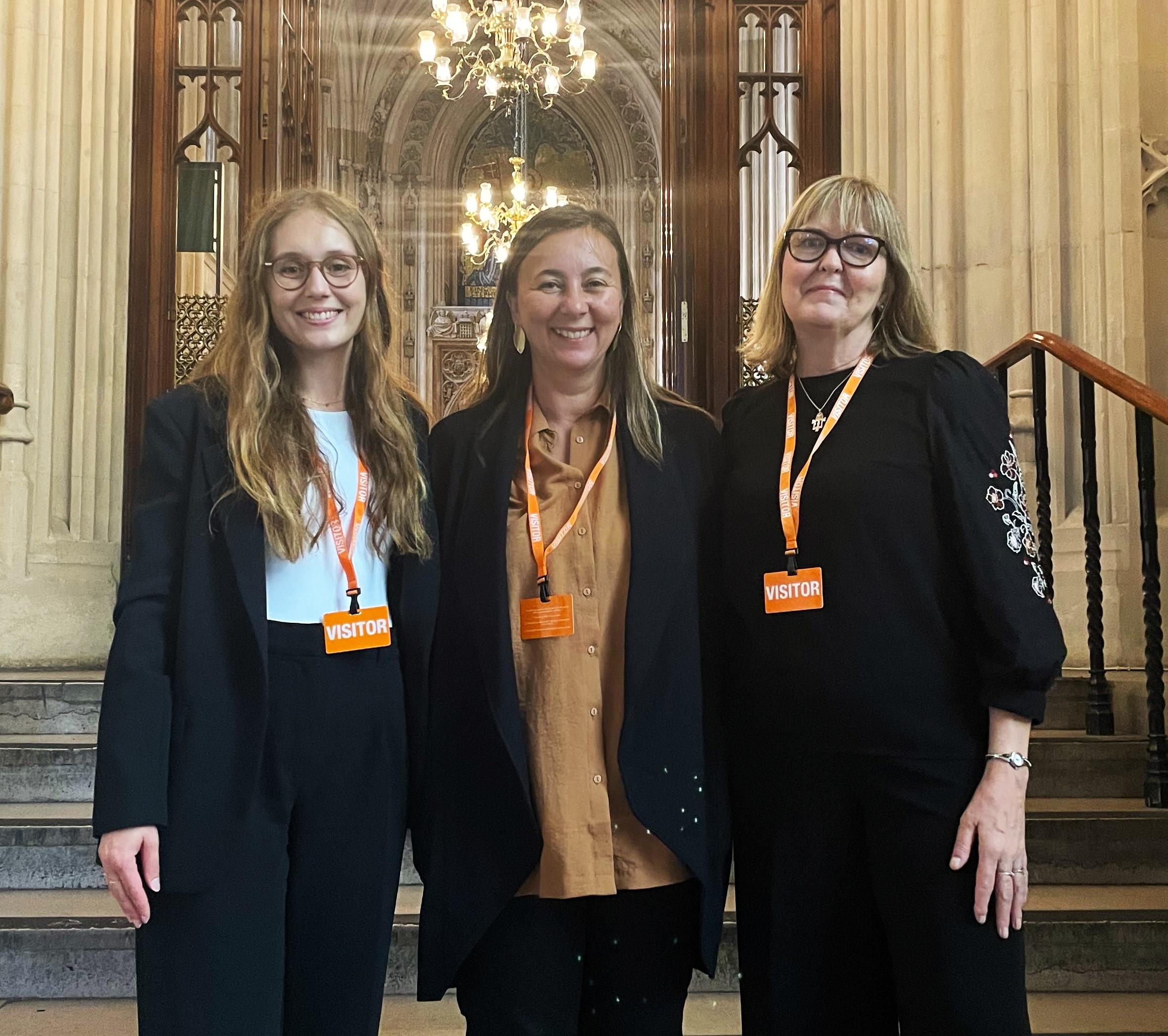
'The European Convention on Human Rights and Immigration Control in the UK: Informing the Public Debate' report was published as well as presented at an event at the Houses of Parliament on 4 September 2025. The report examines misconceptions and misreporting around the European Convention on Human Rights (ECHR) and immigration control in the UK.
Co-authored by Bonavero’s Victoria Adelmant, doctoral student in Law and a graduate resident at the Bonavero Institute, plus Alice Donald, Professor of Human Rights Law at Middlesex University, and Başak Çali. The report achieved strong interest from media and was featured by The Observer and on Sky News to name a few.
Also in September, Constitutional Judging under Pressure: The Role of Judges in Safeguarding the Rule of Law, Equality, and Planetary Survival was published as a Special Issue of The German Law Journal.
Başak Çali co-edited the Special Issue with Cathryn Costello, Professor of Global Refugee & Migration Law, University College Dublin and Visiting Professor at the Faculty of Law at the University of Oxford, and Nora Markard, Professor for International Public Law and International Human Rights at the University of Münster.
Constitutional Judging Under Pressure examines three interlinked challenges that are faced by all courts globally, albeit in different constellations: persistent inequalities, the climate crisis, and rising autocratisation.
The Special Issue features two articles by the Bonavero Institute’s Catherine O'Regan and Shreya Atrey.
Kate O’Regan’s article on ‘The Long Legacy of Apartheid Geography and the Reach of the South African Constitution’s Equality Clause’ examines some of the reasons why the equality clause in the South African Constitution is less effective at addressing patterns of racial inequality that arise from social and economic practices.

Shreya Atrey’s contribution ‘Equality Law: A Structural Turn’ argues that equality law is in need of a structural turn placing individual victims and perpetrators within the broader dimensions of the social, economic, legal, political, psychic and cultural contexts in which they exist and the power relations within them.
Visit the research pages to read more about research at the Bonavero Institute of Human Rights.