
Welcome to The Bonavero Institute's New Research Visitors
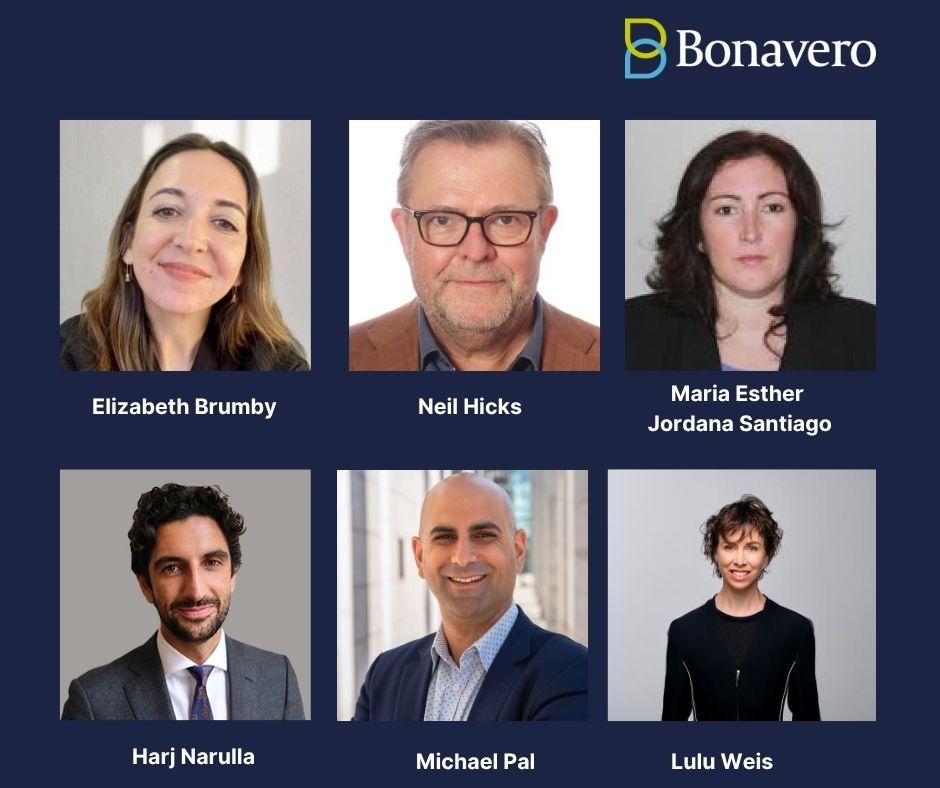
Today we welcome our research visitors: Elizabeth Brumby, Neil Hicks, Maria Esther Jordana Santiago, Harj Narulla, Michael Pal and Lael K (‘Lulu’) Weis. Their research work varies widely across the field of human rights law from constitutional jurisprudence to constitutional theory. While with us, they will explore their areas of interest through focused research, each committed to a clear and achievable goal for this timeframe.
The Research Visitor Programme, at the Bonavero Institute, encourages mid-career and senior scholars, judges, practitioners, post-doctoral researchers and policymakers engaged in the field of human rights law to visit the Bonavero Institute of Human Rights.
Spotlight on The Bonavero Institute’s Research Visitors
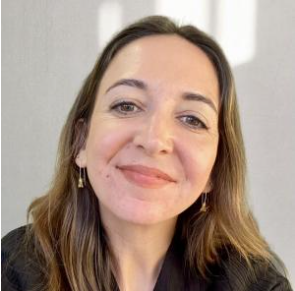
Elizabeth Brumby is a barrister at the Victorian Bar in Melbourne, Australia. During her time as a Research Visitor at the Institute, Elizabeth will explore the evolving judicial treatment of executive or legislative ‘punishment’ in constitutional jurisprudence across common law jurisdictions, including as a means of protecting human rights in jurisdictions such as Australia, which lacks specifically enshrined constitutional rights or a legislated national bill of rights.

Neil Hicks has been a human rights practitioner with leading international and regional human rights organizations for over 40 years, beginning with Amnesty International in London in 1985 and then in New York with the Lawyers Committee for Human Rights/Human Rights First. While visiting the Institute his research will focus on the current crisis in human rights implementation, reflecting particularly on the experiences of local, regional and international practitioners working on promoting and protecting human rights in the Middle East and North Africa.

Maria Esther Jordana Santiago is a Lecturer in EU and Public International Law at the University of Girona, Spain. During her time at the Bonavero she will examine how EU migration control policies intersect with human rights obligations. Her research will focus on the criminalisation of migration at the EU’s external borders and the Union’s external migration policies in a changing geopolitical context, with particular attention to their legal and human rights implications.
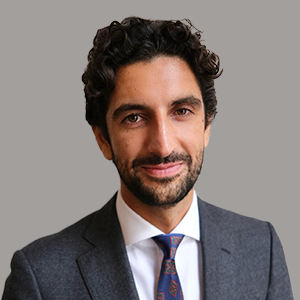
Harj Narulla is a barrister and leading global expert on climate law and litigation at Doughty Street Chambers in London. Harj is known for his prominent work as counsel in world-first climate litigation before national, regional and international courts. Harj will spend time in Oxford working on his book on climate reparations, entitled The Case for Climate Reparations. The book will draw on Harj’s experience as counsel for Solomon Islands in the International Court of Justice’s landmark advisory proceedings on climate change, and as counsel in similar advisory proceedings on climate change before the Inter-American Court of Human Rights and the International Tribunal for the Law of the Sea.
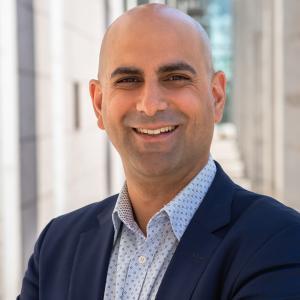
Michael Pal is a leading Canadian scholar of Canadian constitutional law, comparative constitutional law, and the law of democracy. He is the author of over 30 academic articles. He has a J.D. and doctorate in law from the University of Toronto and an LL.M in Legal Theory from NYU. He has also acted as a barrister in recent cases on voting rights, campaign finance law, and electoral boundaries. During his time at the Bonavero he will be working on a book manuscript on the comparative constitutional law and politics of election commissions. The book addresses the functions of election commissions, engages with the legitimacy of non-partisan institutions in a democracy, and analyses how such institutions fit within theories of a "fourth branch of government".

Lael K (‘Lulu’) Weis is an Associate Professor in Law at the University of Melbourne. A philosophically-trained legal scholar, Weis’s research focus is comparatively-informed and empirically-grounded constitutional theory, examining foundational questions about the nature of constitutional norms and their relationship to other legal norms.
Professor Weis will be working on a research paper that examines a distinctive type of legal duty that is not derived from or justified by rights but exists to serve a collective good. She will also be developing a multi-year research project on ‘greening constitutional democracy’, which investigates how to adapt constitutions to prioritise ecological well-being in response to threats of environmental crisis while maintaining democratic commitments.
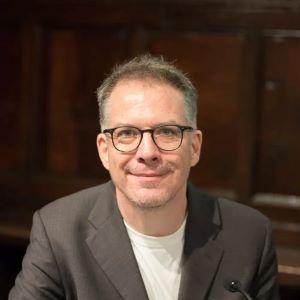
Sam Dubberley continues his year with us having begun at the start of Hilary Term 2025. Sam is the director of the Technology, Rights & Investigations division of Human Rights Watch - leading work at HRW on how technology affects human rights - both in terms of its impact on rights, and how technology can be used to expose violations. His own award-winning research has used technology to document and expose violations of the right to protest and war crimes. While a research visitor at the Institute, Sam is working on an updated edition of the edited book “Digital Witness: Using Open Source Information for Human Rights Investigation, Documentation, and Accountability” that will be published by OUP in 2026.