
AI and arbitration: where legal philosophy meets advanced technology
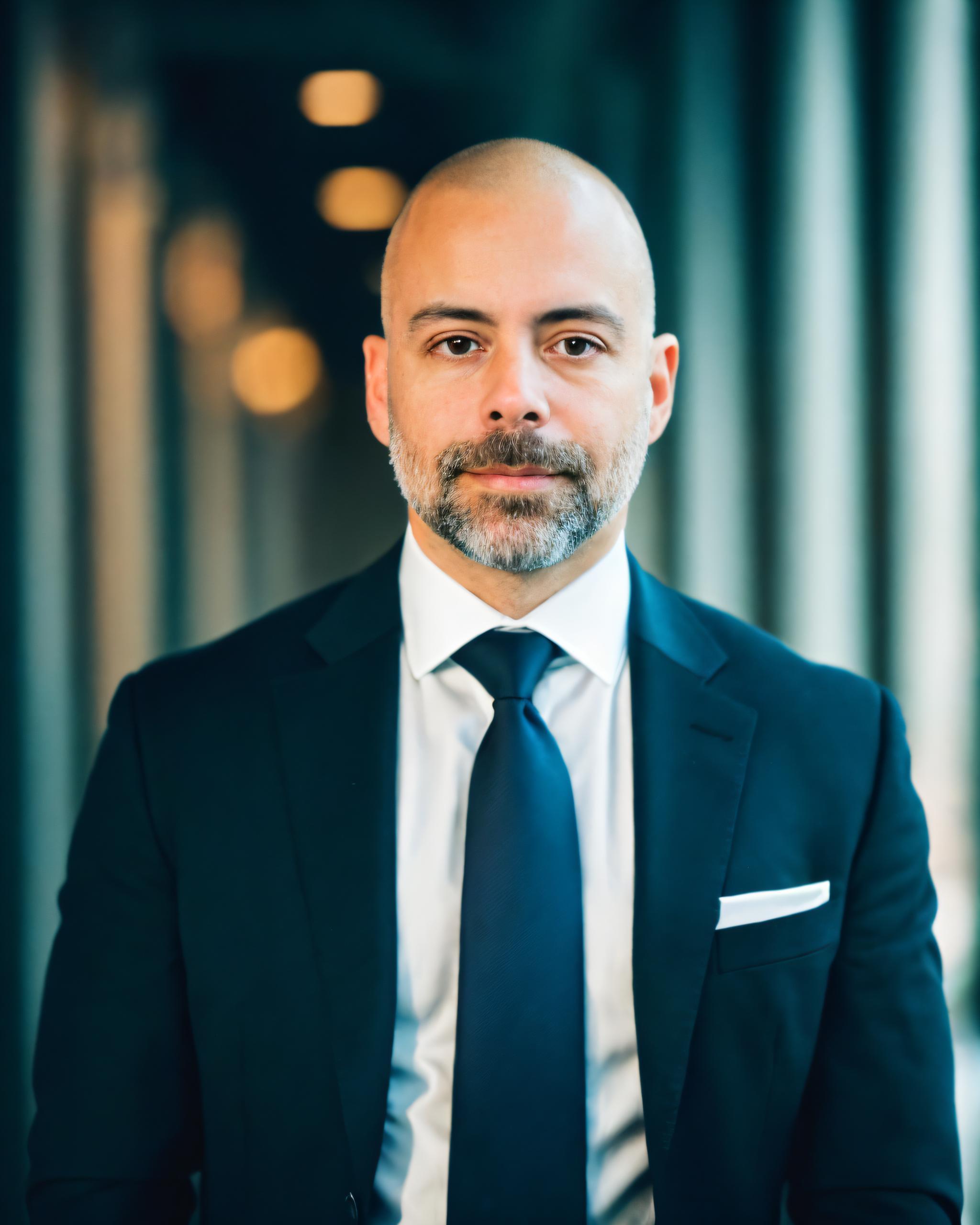
One of the most persistent criticisms of artificial intelligence is its ‘black box’ nature – the difficulty of understanding how technologies such as machine learning models come to their decisions or outputs. For Dr Fabricio Fortese, Stockholm Research Fellow in the Faculty of Law, this problem is especially pressing in the context of legal decision-making, where transparency and reasoning are fundamental to fairness.
“AI tools can be very useful for streamlining work processes – for example, reviewing, summarising or comparing large volumes of documents,” says Dr Fortese. “But summarising is not the same as analysing. At present, AI does not replace human reasoning in adjudicatory processes like arbitration, in which issues such as investment or commercial disputes are resolved without having to go to court. That’s because AI systems lack contextual awareness and nuance, and their outputs are not guaranteed to be accurate. Human oversight remains essential.”
AI is, however, shaping the environment in which arbitration takes place. From document review to the gathering and production of evidence, these tools are becoming part of the legal ecosystem, making it essential to examine their impact on standards of fairness, transparency and legitimacy. Dr Fortese’s work focuses on the duty of arbitrators to provide reasons for their decisions – known as ‘awards’ – and the implications of AI for this fundamental principle of adjudication. He says: “The reasoning in an award unpacks the arbitrators’ decision-making process. It shows how evidence and submissions were evaluated and explains why certain arguments were accepted or rejected. Reasoning promotes transparency in decision-making and, with it, not only the legitimacy of arbitration as a dispute resolution mechanism but also the rule of law.”
Dr Fortese is especially interested in how the design of AI systems intersects with these standards of reasoning. A recurring criticism of AI in law has been the ‘black box’ problem – the difficulty of scrutinising a machine’s decision-making processes. “These opaque systems challenge trust, accountability, and the detection of errors or bias,” says Dr Fortese. “More recent developments in explainable AI, logic-based AI and advanced large language models are trying to overcome that by providing greater transparency and detail about how outputs are generated. This reflects long-running debates in legal philosophy about how decisions are explained, what counts as a justified outcome, and what standards we use to judge whether legal reasoning is adequate.”
This connection between legal philosophy and technology runs throughout Dr Fortese’s research. He examines how evolving standards of reason-giving in arbitration might guide the design of legal AI – and, conversely, how new AI models could begin to shape expectations about what counts as sufficient and adequate reasoning in legal contexts. The implications reach beyond arbitration into the broader question of how adjudicative decision-making maintains its legitimacy in the digital age.
The regulatory environment for AI in this context is also rapidly evolving, with countries and regions around the world taking varied approaches to managing the opportunities and risks. AI may, for example, improve efficiency and resource allocation in dispute resolution, but it also raises concerns around data protection, access to justice, and unequal availability of advanced tools. For Dr Fortese, the key is ensuring that AI enhances, rather than erodes, the values underpinning adjudication.
He says:
AI is transforming legal decision-making, but we must ensure that its integration respects core principles of transparency, fairness, and the rule of law.
Dr Fortese is coming to the end of his term as Stockholm Fellow, after which he will become a Visiting Research Fellow in the Faculty. He has been based in the Faculty’s Institute of European and Comparative Law, where he has valued the leadership and support of outgoing Institute Director Professor Matthew Dyson, and at Christ Church, where he has welcomed the opportunity to meet academics from different fields and disciplines thanks to the Oxford college system.
Looking ahead, Dr Fortese aims to publish a series of studies examining how reason-giving standards in arbitration evolve in light of AI.
He says:
Ultimately, I want to assess the implications and significance of these changes. Legal reasoning is not just a technical exercise – it is fundamental to how law maintains authority and fairness across diverse legal systems.