

Bonavero Institute launches report on the European Convention on Human Rights and Immigration at the House of Lords
On Thursday 4 September, the Bonavero Institute of Human Rights launched its new report, The European Convention on Human Rights and Immigration Control in the UK: Informing the Public Debate at the Houses of Parliament. This report, which is based on a systematic review of media coverage about the European Convention on Human Rights (ECHR) between January-July 2025, warns that misleading news stories and commentary is shaping public debate on immigration and human rights in ways that misinform the public. The report emphasises the importance of grounding discussions on this topic upon accurate facts, law and data, moving away from mischaracterisations.
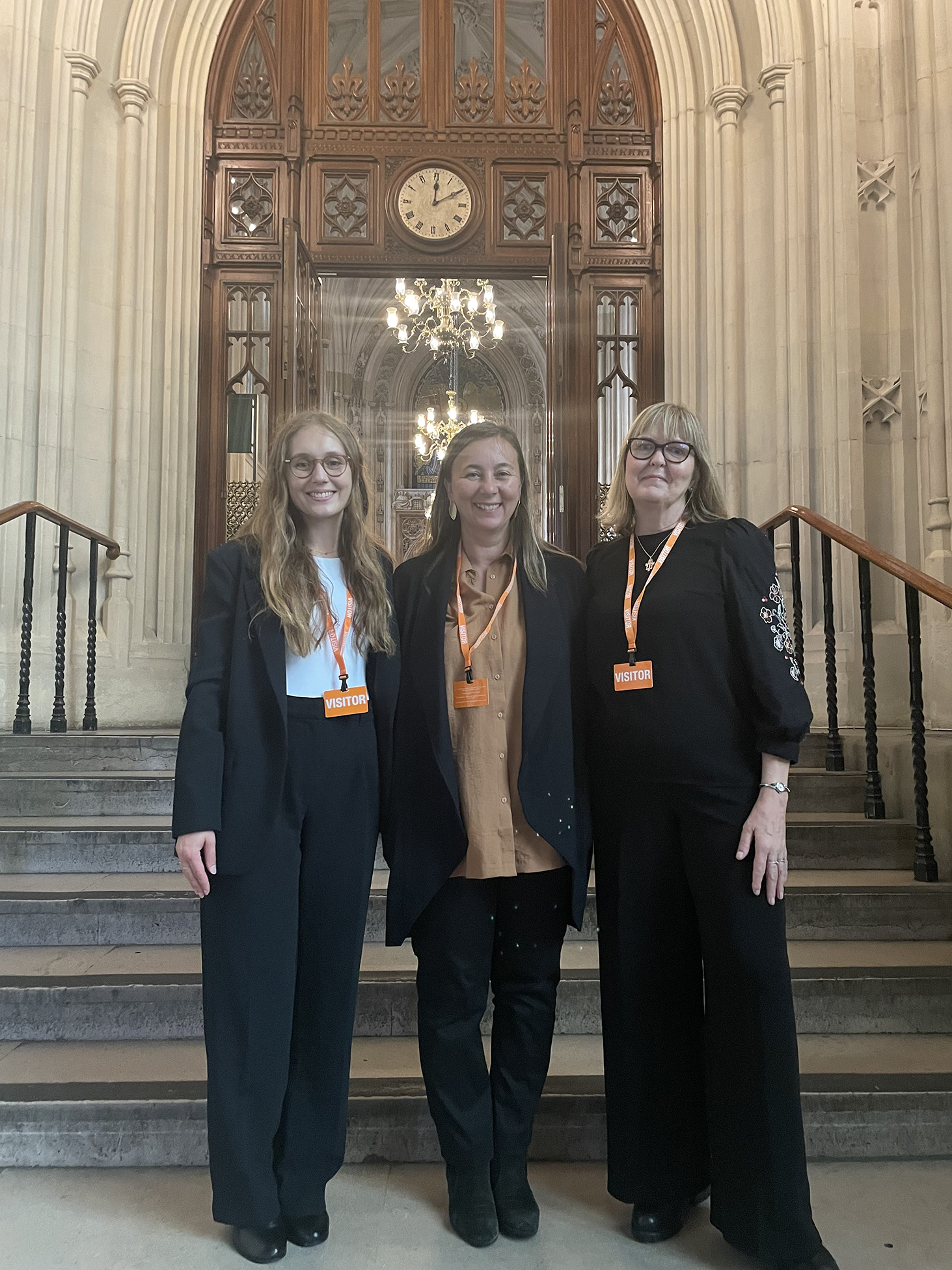
The launch event was chaired by Lord David Anderson KC. Chief Executive of the Refugee Council Enver Solomon, together with former advisor to Yvette Cooper, journalist and commentator on home affairs Danny Shaw, welcomed the report’s findings following a presentation of the report by the authors, Victoria Adelmant, Professor Alice Donald and Professor Başak Çalı. In the audience were around 30 MPs, peers, legal professionals and members of civil society.
At the start of 2025, Başak Çalı explained, Bonavero Institute researchers took notice of inaccurate characterisations of the ECHR in the public domain and decided to set up a research group to review the public debate and identify and address these misconceptions. Between 1st January and 30th June 2025, the researchers systematically tracked news coverage and commentary across the UK media landscape to find mentions of the ECHR, compiling a database of 379 items. Victoria Adelmant explained that, upon analysing this data, the initial finding was that over 75% of these 379 pieces mentioning the ECHR focused on the Convention in the context of UK immigration control, with many stories focusing specifically on human rights-based appeals against the deportation of foreign national offenders. Qualitative analysis of each piece, and scrutiny of the ways in which they discussed the legal frameworks and specific tribunal cases in this area, revealed frequent mischaracterisations. Three kinds of misrepresentations were outlined, as well as some of the report’s clarifications about how the ECHR operates within the UK’s system of immigration law and appeals.
Alice Donald set out key implications arising from the research, noting that there has been a clear ratcheting effect whereby a story – in some instances an erroneous one – is picked up by a politician or commentator who discusses the ECHR negatively, these negative statements about the ECHR are in turn reported, and negative coverage is amplified. A consequence of this is ‘data fog’ whereby the debate is framed around particular stories rather than upon accurate evidence.
Panellists Danny Shaw and Enver Solomon set the report’s findings in a broader historical context. Danny Shaw highlighted parallels between the growing debate surrounding the ECHR and the debate in the run-up to the referendum to leave the EU, noting a growing shift whereby leaving the ECHR is no longer a fringe position. Enver Solomon discussed the dangers of the spread of false or misleading information, pointing to the severe risks that refugees and politicians alike can face in such contexts. Lord David Anderson KC concluded the discussion by underlining the importance of a full spectrum approach to explaining the importance of human rights law for a fair and tolerant society.