
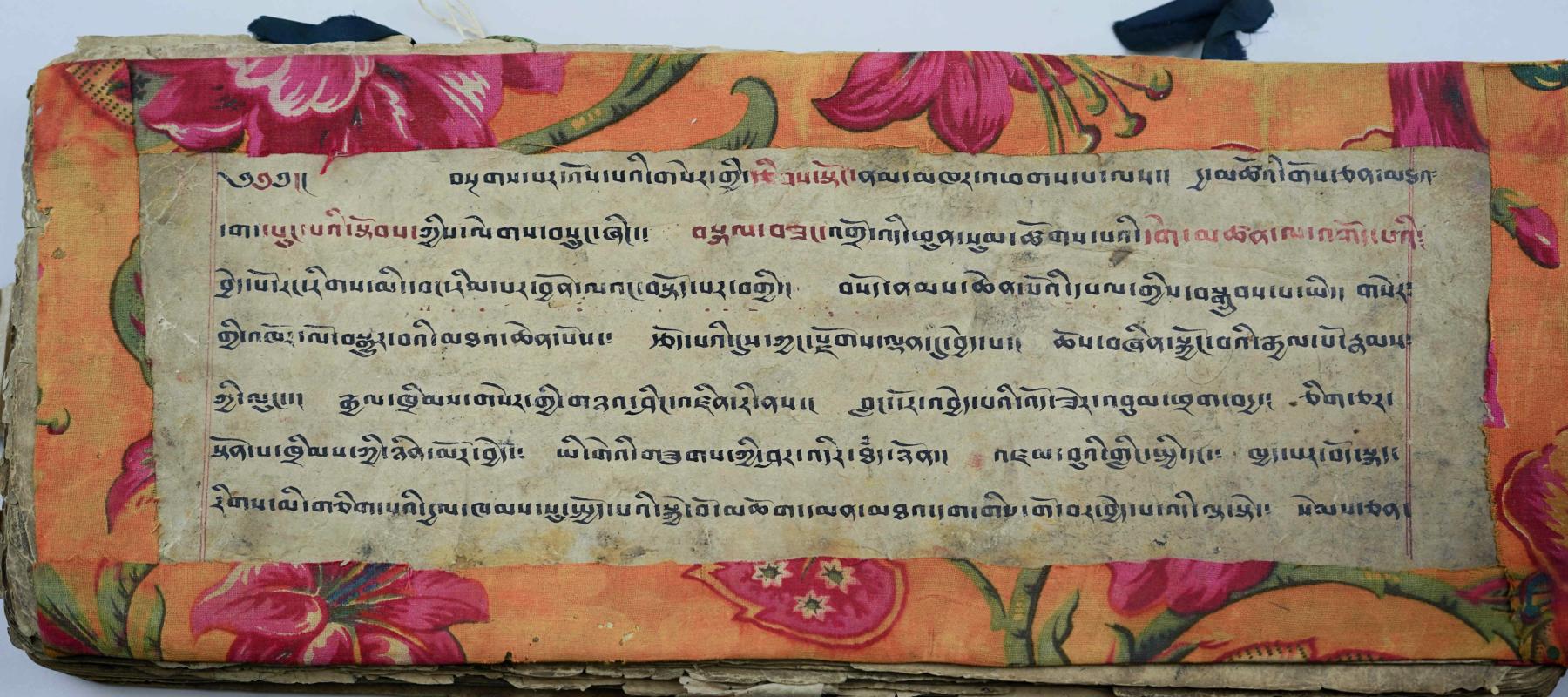
The texts. We are examining, transcribing, and comparing all known versions of the zhal lce, working from both physical manuscripts and digital copies. We use the AI-powered platform Transkribus to help transcribe handwritten documents, with manual proofreading. Differences between versions — in wording, in how they are bound, in handwritten notes and tables added by their users — give us evidence of when and by whom each copy was made, and how it was used.
Creation and influences. The first zhal lce was commissioned during the reign of Karma Tenkyong Wangpo (r. 1621–1642), leader of the Tsang regime, and drew on earlier legal texts. When the Fifth Dalai Lama together with the Mongol ruler Gushri Khan (1582–1655) defeated the Tsang, he adopted much of his rival's legal text. We are investigating why, and what role Mongol administrators and legal ideas played in shaping these texts.
The Ganden Podrang period. The Dalai Lamas' government lasted over four centuries. We are tracing how the zhal lce were reproduced, revised, and distributed during that time, and what role (if any) they played in actual court proceedings. Intriguingly, documents recording the resolution of disputes never refer to the zhal lce, and at the Sakya court the copies were reportedly kept out of public view. We are looking into why.
A monograph. The project will result in a book tracing the history of Tibetan law from the earliest records in the seventh century through to the mid-twentieth. It will ask why Tibetans made law at all, what they hoped to achieve, and how they drew on Chinese, Indian, and Mongol traditions while producing something quite different from any of them.